Gospel Music: Business Move or True Identity?

Switching into gospel music can look like a strategic career move from the outside, especially when an artist already has an audience, industry contacts, or a recognisable sound. But the deeper question is not whether gospel can become a viable path; it is whether the music is flowing from conviction, lived experience, and spiritual identity. A gospel music career pivot may open new doors, but if it is not rooted in truth, people will usually feel the difference.
Is gospel music a career pivot or a calling?
Gospel music can be both a career direction and a calling, but it becomes problematic when it is treated only as a market category. A person may move from secular music into gospel because their values have changed, their message has matured, or their faith has become central to their life. That is very different from using gospel language as a branding tool because it seems safer, more respectable, or more likely to attract a loyal audience.
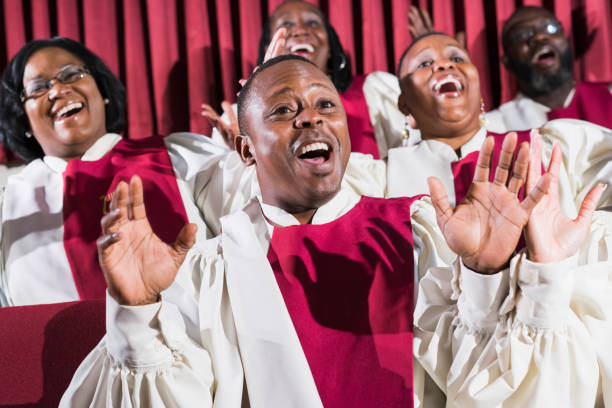
This is where the distinction between gospel music as a career pivot vs authentic identity matters. A career pivot asks, “Where is the opportunity?” Authentic identity asks, “What is true in me?” One is primarily about positioning; the other is about alignment. The healthiest shift happens when the outward genre change matches an inward transformation.
There is nothing wrong with being practical. Artists still need to think about production, distribution, audience development, live performance, publishing, and sustainability. Ministry does not cancel professionalism. However, gospel music carries a spiritual weight that demands more than clever planning. If the message is sacred, the motive matters.
The business reality cannot be ignored
It would be naïve to pretend gospel music has no business dimension. Gospel artists release projects, sell tickets, negotiate contracts, build teams, create content, and promote their work just like artists in any other genre. There are choirs, worship collectives, independent singers, producers, songwriters, session musicians, and labels all contributing to an ecosystem that requires skill, investment, and consistency.
For some artists, gospel may appear to offer a clearer audience. The themes are defined, the community can be deeply supportive, and churches or faith-based events may create performance opportunities. An artist who has struggled to find a place in mainstream music might see gospel as a more meaningful and focused lane.
Still, choosing gospel purely because it looks like a safer business decision is fragile. Audiences are not simply buying vocals, beats, or polished visuals. They are listening for sincerity. In gospel, people often connect with the testimony behind the tone. If the business strategy is louder than the spiritual substance, the work may feel hollow, even if it is technically excellent.
A practical lens is useful, but it should not become the foundation. The question is not, “Can this genre work for me?” The better question is, “Can I stand inside this message honestly?”
Authentic identity carries a different sound
Authenticity in gospel music is not about having a perfect life or a flawless religious image. It is about singing, writing, and living from a place that is genuinely yours. People can usually sense when faith is being performed as an aesthetic rather than expressed as a reality.
That does not mean every gospel artist must have the same story. Some come from church backgrounds. Some return to faith after years away. Some discover gospel after pain, recovery, loss, gratitude, or personal change. The point is not the shape of the journey; it is the honesty of it.
When gospel is part of who you are, it affects more than lyrics. It influences how you speak about people, how you handle attention, how you respond to pressure, and how you define success. The music becomes an extension of your life rather than a costume you put on for release day.
This is why listeners often notice the difference between genuine and inauthentic transitions. Genuine faith has texture. It carries humility, struggle, joy, reverence, and sometimes uncertainty. Trend-led faith often feels shiny but thin. It may use the right words, but it does not always carry the weight of lived conviction.
Why does motive matter so much in gospel music?
Motive matters because gospel music is not only entertainment; it points towards belief, hope, worship, healing, and testimony. If an artist steps into that space only to chase visibility, the message risks becoming a product without a soul. The issue is not about profit or risk; it is about who you really are.

That phrase matters. Not about profit or risk. About who you really are. Gospel career decisions should reach deeper than the question of whether a song will trend, whether a church audience will accept you, or whether a new image will make your brand more palatable. At its core, gospel asks for truth.
Faith should not be treated like a filter placed over content to please the algorithm. It is not a caption strategy, a mood board, or a quick way to gain online popularity. Faith is more like a fingerprint on your life: visible in your choices, your relationships, your private discipline, and your public message.
When that fingerprint is real, the audience may not know every detail of your story, but they can often feel the integrity behind the music. When it is manufactured, they may not be able to name exactly what is missing, but they can sense the gap. Gospel may be generous, but it is not easily fooled.
Signs that the transition is rooted in truth
A gospel music career pivot does not need to be dramatic to be sincere. Some artists make a gradual shift. Others have a clear turning point. What matters is whether the move reflects an honest inner reality rather than an attempt to follow a convenient trend.
Here are a few signs the transition is rooted in authenticity:
- The message feels necessary, not merely strategic. You are not choosing gospel only because it fills a gap in the market. You feel compelled to say something that connects with faith, hope, repentance, gratitude, worship, or spiritual growth.
- Your private life is part of the conversation. You are not pretending to be perfect, but you are allowing your values to shape your decisions when nobody is watching.
- You respect the community you are entering. Gospel has history, culture, sacrifice, and spiritual significance. An authentic transition listens before it claims space.
- You can explain the change without hiding behind vague branding language. You do not need a dramatic speech, but you should be able to speak honestly about why this music now reflects you.
- You are willing to grow slowly. Authenticity does not always produce instant numbers. If your commitment depends only on quick applause, it may not be as deep as it seems.
These signs do not function as a purity test. They are invitations to self-awareness. Gospel music is not reserved for people with spotless pasts; in fact, many of its most powerful expressions come from lives marked by struggle and grace. But the transition should be honest enough to carry the weight of the message.
The danger of treating faith as a trend
Trends move quickly. They reward recognisable signals: a certain phrase, a certain visual style, a certain kind of emotional clip. Faith, however, is not a seasonal content angle. When it is reduced to trend language, it loses depth and becomes decoration.
The danger is subtle because gospel aesthetics can be appealing even without gospel conviction. A choir sample can create emotion. A church setting can create atmosphere. A testimony-style caption can create engagement. Yet none of those things automatically equals spiritual authenticity.

This does not mean artists should avoid modern platforms or creative marketing. Social media can help meaningful music reach people who need encouragement. Visual storytelling can deepen the impact of a song. The problem begins when the platform starts shaping the faith more than the faith shapes the platform.
An algorithm measures behaviour. It notices clicks, pauses, shares, and comments. It cannot measure surrender, conviction, obedience, or healing. If an artist lets the algorithm become the altar, the work may gain attention while losing its centre.
What should artists consider before making the shift?
Before moving publicly into gospel, an artist should consider whether the decision reflects identity, message, community, and long-term commitment. This is not about demanding certainty before releasing a song; it is about making sure the shift is not simply reactive. A meaningful transition deserves reflection.
A helpful process might look like this:
- Examine the reason for the move. Are you drawn to gospel because your faith has become central, or because another lane feels blocked?
- Listen to your own catalogue. What themes have been emerging in your writing? Are you already moving towards redemption, prayer, purpose, or spiritual honesty?
- Speak with trusted people. Choose people who care about your soul, not only your success. Let them ask difficult questions.
- Learn the tradition. Gospel music is not just a sound; it carries roots, stories, and communities. Respect grows through listening.
- Define success carefully. If success only means numbers, you may become disappointed quickly. If success includes impact, obedience, growth, and truthful expression, the path becomes deeper.
This kind of reflection protects the artist and the audience. It helps prevent a sacred message from becoming a shallow rebrand. It also allows the artist to step forward with humility rather than performance.
Success looks different when identity leads
When gospel music grows from identity, success is not limited to commercial outcomes. Yes, streams, bookings, partnerships, and income can matter. Artists deserve to be paid fairly for their labour. Good stewardship includes learning the business side and making wise decisions.
But identity-led gospel asks broader questions. Did the song tell the truth? Did it encourage someone? Did it honour the faith it claims to represent? Did the artist become more whole, more grounded, more honest through the process?
That does not make the work less ambitious. In fact, it can make it stronger. When artists know who they are, they are less likely to chase every trend or dilute their message for temporary approval. They can create with focus because their foundation is not constantly shifting.
The audience benefits too. Listeners do not only receive a performance; they encounter a person whose music carries lived meaning. That is why authentic gospel can remain powerful long after a trend has faded. It is attached to life, not merely to a campaign.
The real question behind the move
The conversation around gospel music as a career pivot vs authentic identity is not really about whether money and ministry can coexist. They can, if handled with maturity. The real question is which one is leading.
If business leads, gospel becomes a useful costume. If identity leads, business becomes a tool that helps the message travel. The difference may not be obvious in a press photo, but it often becomes clear over time through consistency, humility, and the way the artist carries the responsibility of the message.
So, is switching to gospel music a lucrative career decision or something deeper and more meaningful? It can involve career strategy, but it should never be reduced to that. At its best, the move is not about chasing a safer market, avoiding risk, or polishing an image. It is about alignment between sound, soul, belief, and life.
If you are an artist, listener, creative, or believer watching this shift happen, pause before judging the surface. Ask what is being revealed. Is this a brand adjustment, or is it a life speaking more honestly than before?
Which is your reality?