ARTICLES
& BLOGS.
Stay up to date with the latest industry insights, artist spotlights, and exclusive news from the MySound ecosystem.
How to Turn TikTok Views Into Music Streams, Fans and Gig Bookings
Turn TikTok virality into lasting music success with strategies for streaming revenue, live gigs, fan growth and sustainable careers
British Music Is More Than Streaming Numbers: How Can Emerging Artists Build Sustainable Careers?
Streaming can help new music travel quickly, but it rarely tells the whole story of an artist’s career. For emerging British musicians, a sustainable path usually comes from combining income streams, building a loyal audience, and making practical choices that protect both creative energy and long-term finances. This article explores how emerging British musicians can build sustainable careers beyond streaming numbers, with a clear look at royalties, live performance, publishing, merchandise, audience development and eco-friendly music. What does a sustainable music career really look like? A sustainable music career is one that gives an artist enough stability, flexibility and creative control to keep making work over time. It is not simply about chasing the biggest playlist, the fastest viral moment or the highest monthly listener count. In a competitive industry, sustainability means understanding where income can come from, how fans move from casual listeners to supporters, and which opportunities genuinely fit the artist’s goals. For British musicians, this can mean balancing local gig circuits, digital releases, collaborations, sync opportunities, direct-to-fan sales and community-building. It can also mean accepting that growth may look uneven. One release might bring attention, while a small run of shows or a clever merchandise drop may provide the cash flow that keeps the next project possible. The strongest careers often have several foundations working together: Creative identity: a clear sound, message or visual world that helps listeners remember the artist. Revenue mix: income from royalties, live performances, publishing, merchandise and other opportunities. Audience relationship: regular communication with fans rather than relying only on algorithms. Professional habits: organised metadata, fair agreements, budgeting and consistent promotion. Personal resilience: realistic pacing, boundaries and decisions that avoid burnout. Streaming has a place in this mix, but it should not be treated as the only measure of value. A smaller audience that buys tickets, shares music, joins a mailing list and supports releases can be more meaningful than a large passive audience that never engages again. Streaming numbers are useful, but limited Streaming platforms can introduce emerging artists to new listeners, help industry professionals spot momentum, and provide data on where a track is being heard. That information can be useful when planning gigs, targeting promotion or deciding which songs connect. However, streaming numbers can also be misleading if they are treated as a complete career report. A song may receive attention without producing enough income to fund recording, travel, rehearsals, artwork or marketing. Similarly, a spike in streams may not translate into ticket sales if listeners do not know the artist’s story or have no reason to follow them more closely. The challenge is not to reject streaming, but to place it within a wider strategy. Emerging artists can use streaming more effectively by asking practical questions. Which tracks lead people to follow? Which cities or regions show consistent interest? Are listeners moving from platforms to social channels, newsletters or live events? When streaming becomes a discovery tool rather than the whole business model, it can support sustainable careers for British musicians instead of narrowing their options. The core income streams every emerging artist should understand A musician navigating a competitive industry needs more than talent and good songs. They need a working knowledge of how money moves through music, where rights are created, and how audience attention can become reliable support. The following areas are not glamorous shortcuts, but they are essential building blocks. Royalties Royalties are payments generated when music is used, played, streamed, broadcast, performed or reproduced. For an emerging artist, this can include recording royalties from the use of a master recording and publishing royalties connected to the composition itself. The details can vary depending on agreements, collaborators and platforms, which is why accurate credits and clear splits matter from the beginning. In a competitive market, royalties are often slow-building rather than instantly transformative. Still, they matter because songs can continue earning after release day, especially when they are properly registered and promoted. Artists who ignore royalties may leave money unclaimed or create disputes later, particularly when tracks involve producers, co-writers or featured performers. Live performances Live performance remains one of the most powerful ways for musicians to turn attention into connection. A gig lets listeners experience the personality, musicianship and atmosphere behind the recorded tracks. For new artists, even modest shows can build confidence, improve stagecraft and create the kind of word-of-mouth that streaming alone cannot deliver. The challenge is that live work has costs: rehearsal time, transport, equipment, crew, promotion and sometimes accommodation. Sustainable planning means treating gigs as both creative opportunities and business decisions. A support slot, local showcase or festival appearance may be worthwhile if it reaches the right audience, but artists should still understand what they are investing and what they hope to gain. Publishing Publishing is the business of songs as compositions: melody, lyrics and musical structure. It is separate from the recording, which means a songwriter can have rights in a song even if someone else performs or records it. Publishing income can come from radio play, live performance, streaming, covers, sync placements and other uses of the composition. For emerging musicians, publishing knowledge is a form of protection. It helps them understand co-writing splits, keep track of song registrations and recognise opportunities beyond releasing tracks under their own name. In a crowded industry, a strong song catalogue can become an asset that supports the artist even when they are between releases. Merchandise Merchandise is any product fans can buy to support the artist and carry the artist’s identity into the world. This might include T-shirts, posters, vinyl, tapes, zines, tote bags, limited artwork or digital items. Good merchandise is not just a logo on a product; it feels connected to the music, the visuals and the community around the artist. For emerging British musicians, merchandise can be especially useful at gigs, where enthusiasm is high and fans want a tangible memory. It can also help artists test demand before committing to larger production runs. The key is…

How AI Is Transforming the Music Industry: What Artists Need to Know
Imagine releasing a song today and discovering that within hours, an algorithm has already decided who is most likely to hear it, a streaming platform has determined where it should appear, data has identified the listeners most likely to become fans and somewhere else, an AI system has created a synthetic version of a song that sounds disturbingly like you. That is no longer science fiction. It is the music business of 2026. The latest move by Sony Music offers a striking glimpse into just how complicated this future is becoming. Sony has reportedly asked digital platforms to remove more than 260,000 AI-generated tracks impersonating its artists, almost twice the number it sought to remove just six months earlier. The tracks reportedly include AI imitations of major names such as Harry Styles, Adele, Britney Spears and Michael Jackson. But there is a bigger story behind that number. The music industry is not simply fighting AI. For artists in Britain and around the world, the question is becoming increasingly profound: in a music industry increasingly controlled by algorithms, data and artificial intelligence, what does it actually mean to have a career? Sony’s AI Battle Is Bigger Than Sony Sony’s latest fight illustrates the central contradiction facing the modern music industry. On one hand, AI can become a powerful creative tool. On the other, the same technology can imitate an artist’s voice, generate music at enormous scale and potentially flood streaming platforms with recordings that compete for listeners and royalties. Sony is therefore fighting one part of the AI revolution while positioning itself to participate in another. That is not necessarily contradictory. It may actually be the industry’s survival strategy. Sony Music joined the Alliance for Responsible Innovation in the Arts & Media in September, becoming the first major music company to join the coalition. The company said generative AI presents both opportunities and challenges and that it wants to help shape policies that protect creativity while supporting innovation. The message is becoming clear: AI is coming into music whether the industry likes it or not. The battle is increasingly about who controls it, how it is used and who gets paid. Streaming Already Changed the Artist’s Career Before AI arrived, streaming had already transformed what it meant to be a successful musician. The album shelf disappeared. The CD shop lost its dominance. The radio gatekeeper became less powerful. A teenager with a laptop could release a song and potentially reach listeners in Manchester, Miami, Mumbai or Melbourne. The UK provides a remarkable example. British recorded music revenue surpassed £1.5 billion for the first time in 2025, reaching £1.57 billion. Streaming revenue alone reached £1.07 billion, accounting for 67.7% of recorded music revenue. More strikingly, UK audio streaming passed 210 billion streams during 2025, with streaming representing 89.3% of music consumption under the BPI’s measurement. That means an artist’s career is increasingly built inside an ecosystem of streams, playlists, recommendations, algorithms and listener behaviour. The song is no longer simply released. It is processed by a machine. Data Is Becoming the New A&R. For decades, record companies relied heavily on human A&R executives to identify promising artists. They attended shows, listen to demos, watch audiences and they followed trends. Today, data can reveal things humans might miss. Who is listening? Where are they located? How long do they listen? Which song do they replay? Where do listeners stop? Which cities are suddenly showing increased interest? Which demographic is discovering an artist? These questions can influence decisions about marketing, touring, playlist pitching and investment. This creates an extraordinary opportunity for independent British artists. An artist from Birmingham, Glasgow, Cardiff or Liverpool no longer necessarily needs a London executive to discover that people in Berlin or Los Angeles are responding to their music. The data can reveal the audience before the industry notices the artist. But there is a darker side. When artists begin creating music according to what the data says will perform, creativity itself can become dangerously predictable. Are Artists Becoming Products of the Algorithm? This is perhaps the question nobody wants to ask. If an algorithm discovers that songs under three minutes generate more completion rates, will artists start making shorter songs? Suppose that data shows that a particular sound is trending, will producers reproduce it? If certain lyrics generate more engagement, will songwriting become increasingly engineered? The danger is that artists may stop asking, “What do I want to say?” and start asking, “What will the algorithm reward?” That could produce an industry full of technically successful music but increasingly similar sounds. Yet the opposite may also be true. Data can tell an artist where the audience is without necessarily telling them what they must create. The smartest artists may therefore use data as a compass rather than a dictator. AI Could Become the Most Powerful Creative Assistant Yet It would be easy to discuss AI only as a threat. That would be a mistake. For an independent musician operating without the financial backing of a major label, AI could dramatically reduce the cost of making music. It can assist with brainstorming, arrangement, sound design, editing, translation, marketing, social media content and administrative tasks. Also, it could help an artist turn a rough musical idea into a working demo. Promotional material can be created. It could analyse audience behaviour. It could even help musicians identify potential markets for touring. The technology could therefore make it possible for one artist to operate like a small creative company. And this matters enormously in Britain, where emerging artists are competing in an increasingly crowded global marketplace. The UK recorded music export market reached a record £800.3 million in 2025, but growth slowed to just 0.8%, reflecting increasingly intense international competition. The world is producing more music. AI could make it produce considerably more. But More Music Does Not Mean More Attention This may become one of the defining problems of the next decade. Streaming has made music incredibly accessible, but accessibility has…
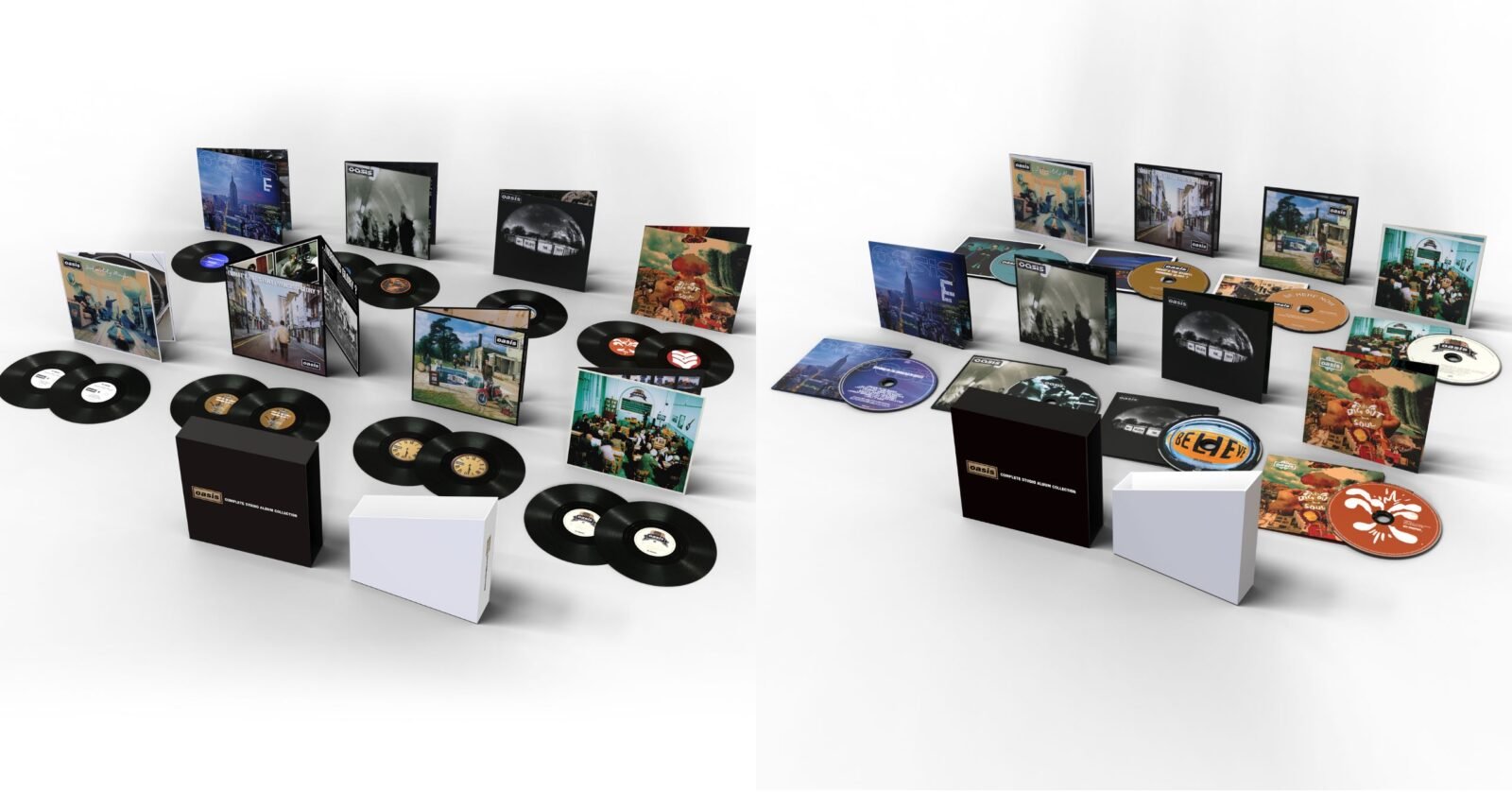
Oasis: The Complete Guide to Their History, Albums and Songs
Oasis history, albums, songs, key members, rise to fame, Britpop influence, Gallagher brothers, reunion, and lasting impact on British music
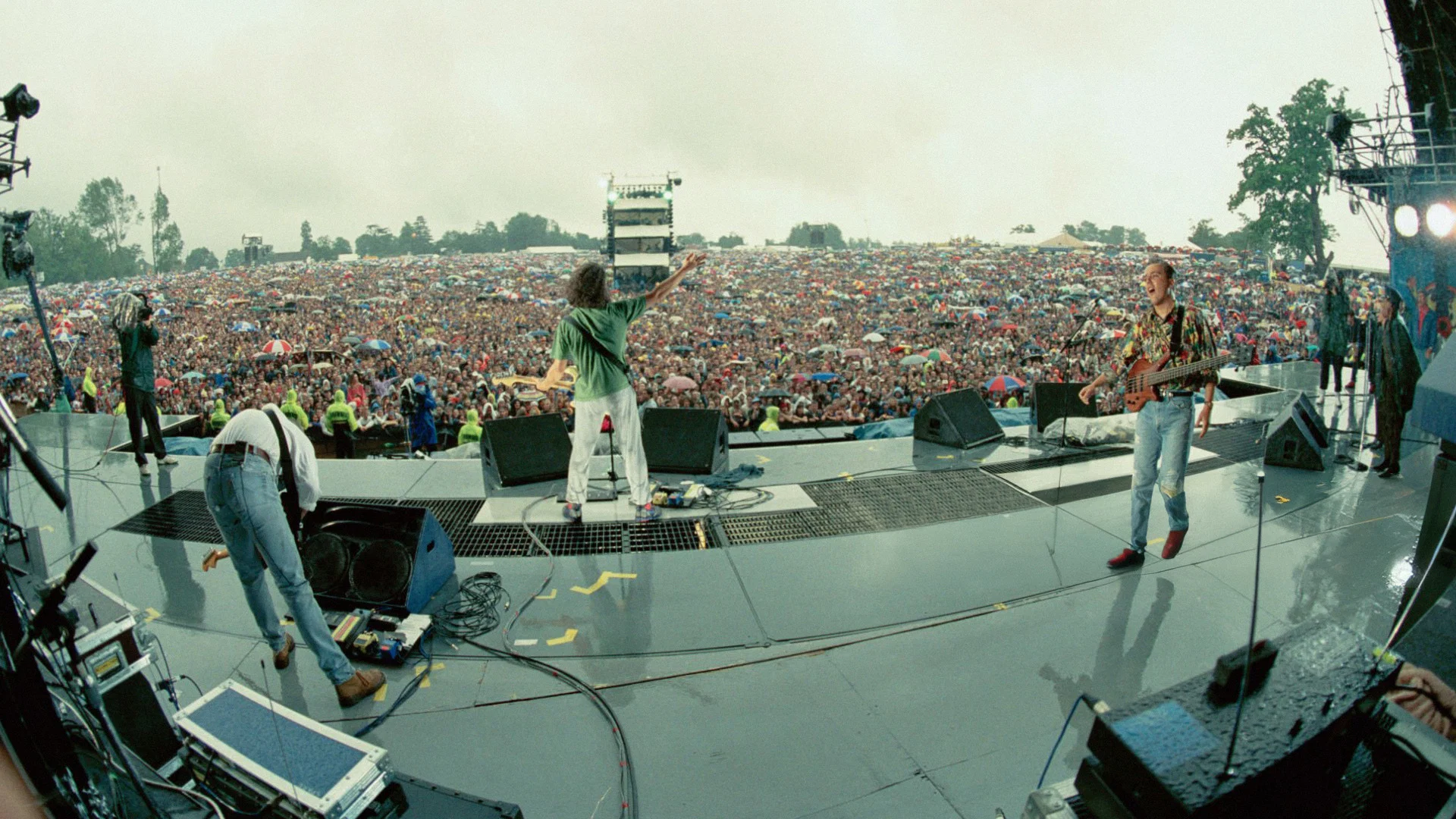
Knebworth: History of Britain’s Famous Music Venue
Knebworth concerts shaped British music history, featuring legendary artists, iconic performances, major festivals, huge crowds,
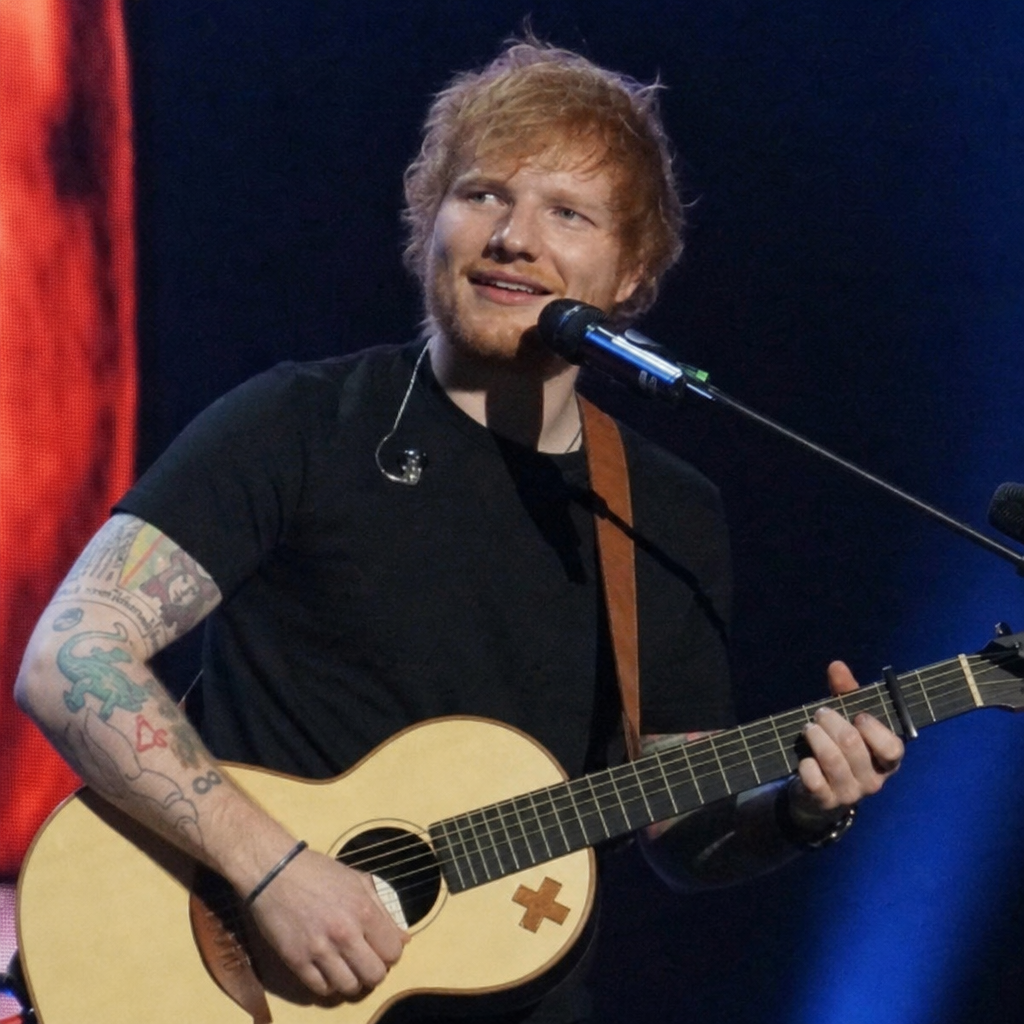
Ed Sheeran: Songs, Albums and His Remarkable Music Career
Ed Sheeran music career, major songs, albums, achievements, and journey from acoustic storyteller to global singer songwriter
Unclaimed Royalties: $360 Per Song – And It’s Yours.
Learn how to claim unclaimed royalties, recover eligible back royalties, fix registration errors, and protect music income
Master Streaming Royalties: The One You’re Probably Already Getting
Master streaming royalties are payments generated from sound recordings streamed on platforms like Spotify, Apple Music and Amazon Music in the UK.
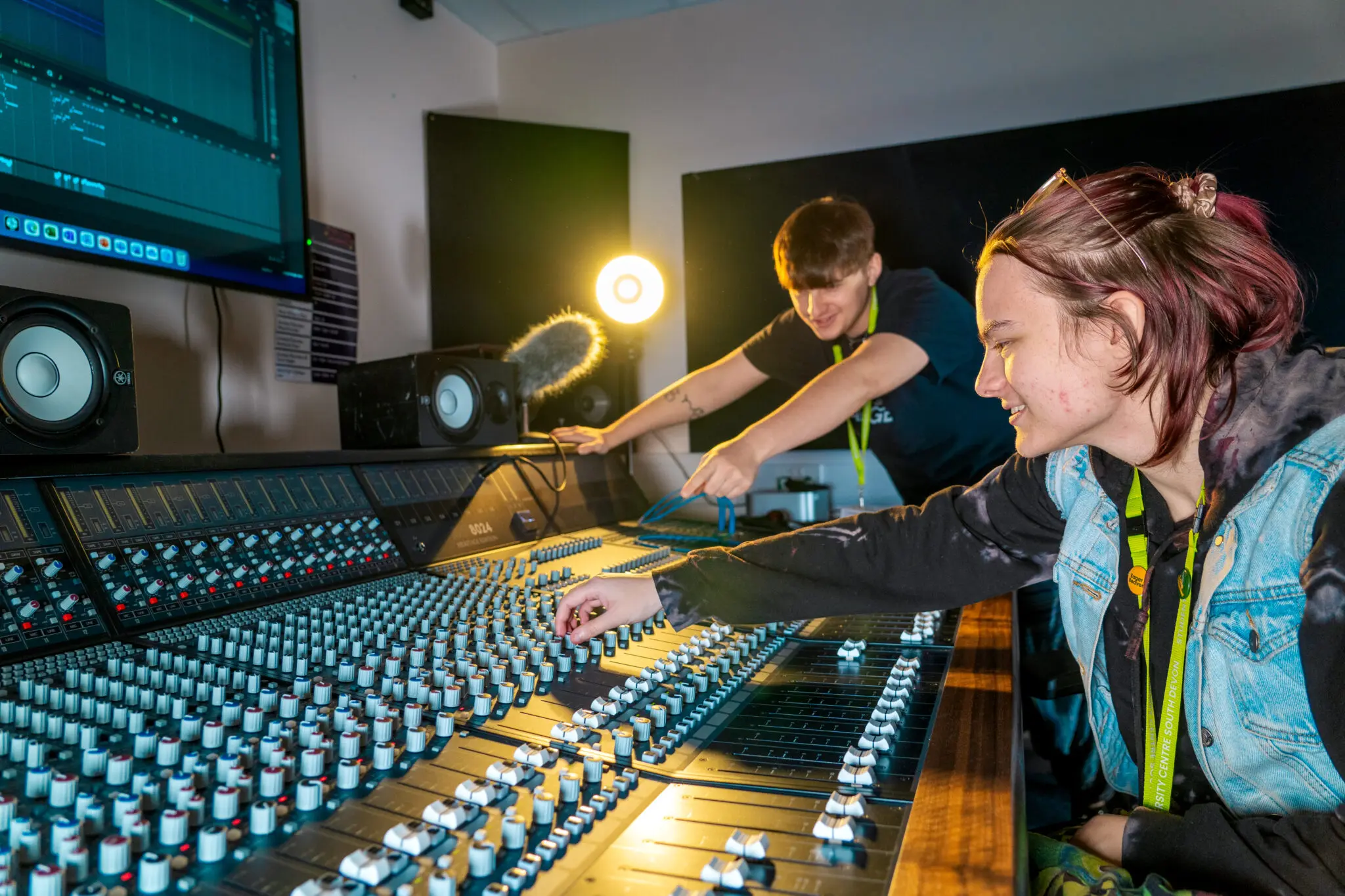
Non-Interactive Digital Radio Royalties: What Artists Need to Know
Digital performance royalties help artists, labels, and rights owners earn income from non-interactive digital radio plays in the US and UK.
The Four Royalties Your Song Earns – Most Artists Never Collect
Discover the four music royalties every independent artist can collect and learn how to stop leaving streaming income unclaimed.
Free Streams vs Paid Streams: Which Earns More for Artists?
Millions of streams can look like a breakthrough, but the number on the dashboard is only part of the story. What really matters is where those streams came from: paid users, free tiers, trials, or platforms that do not properly support royalties. For artists, managers, labels, and independent creators, understanding this difference can be the gap between chasing attention and building real income. Why do big streaming numbers not always mean big earnings? Big streaming numbers do not always mean big earnings because not every stream carries the same value. Streams from paying subscribers usually generate more meaningful royalties, while streams from free tiers, trial users, or unsupported platforms often produce very small payments, or sometimes no useful income at all. That is why the debate around free streams vs paid streams is not just about audience size; it is about the quality of the revenue behind the listen. A million plays can feel impressive, and in terms of visibility, it may be. It can help a track appear more active, build social proof, and give an artist something to promote. But if most of those plays come from low-value sources, the financial result may be far smaller than expected. This is where many creators get caught out. They celebrate the headline figure without asking the most important question: who paid for those streams, and through what kind of service? The simple difference between free and paid streams A paid stream normally comes from someone using a paid subscription on a licensed streaming platform. That listener pays monthly fees, while platforms distribute revenue through rights holders, distributors, publishers, labels, and other parties before artists receive shares. A free stream, by contrast, usually comes from an ad-supported account, a promotional trial, or a listening environment where the user is not paying directly. These streams can still have value, especially for discovery, but they tend to generate much lower royalties because the money behind them is weaker. Think of it like footfall in a shop. A busy shop looks exciting, but if most visitors only browse and never buy, the till may stay quiet. Streaming works in a similar way. The audience size matters, but the paying audience matters more. In both the UK and the US, real earnings from streaming primarily come from paid subscriptions. Ad-supported listening and trial activity may add something, but subscription streaming services are generally the stronger revenue source because there is a recurring payment behind the listener. Where low-value streams often come from Not all low-value streams are bad. Some are part of a healthy discovery strategy. The problem starts when creators treat every stream as equal, then feel confused when the income does not match the audience number. Common lower-value sources include: Free tiers: Listeners use the platform without paying a subscription. Revenue is usually linked to advertising, which can be limited compared with subscription income. Free trials: A user may be testing a service for a short period. Depending on the platform’s model and territory, these streams may not produce the same return as fully paid listening. Unsupported platforms: These may include places where music is uploaded, shared, or embedded without a strong royalty structure. If the platform is not properly licensed or monetised, the stream count may look active while the income remains tiny. Promotional placements with passive listening: A track might be played in the background, skipped quickly, or served to users who are not strongly engaged. This may help reach, but not necessarily earnings. Markets with weaker advertising income: Even on legitimate services, free-tier revenue can vary depending on advertiser demand and user location. The key point is not that free listening has no purpose. It can introduce new people to your music. But if the aim is income, you need to know whether those listeners are likely to become paying fans. What makes subscription streaming services more valuable? Subscription streaming services are more valuable because they are funded by regular payments from listeners. Instead of relying mainly on advertising, these platforms collect subscription fees, which usually create a larger revenue pool to share with rights holders. For artists trying to build sustainable income, paid listening is therefore a more reliable signal than raw stream count. This does not mean every paid stream produces the same payout. Streaming royalties are affected by many factors, including the service, country, user plan, rights ownership, distributor terms, and how revenue is allocated. However, the general principle is clear: a stream backed by a paid account is usually stronger than a stream backed by a free account.

How to Detect AI-Generated Music: A Simple Guide
AI-generated music is no longer a fringe curiosity. It is arriving on streaming platforms at a scale that makes clear labeling, fair credit, and reliable ai-generated music detection important for artists, listeners, labels, and charts. The goal is not to make every song feel like a technical audit; it is to help people understand what they are hearing, who made it, and how creative credit should be assigned. Why does authorship matter in music? Authorship matters because music is more than sound. A song carries choices: lyrics, melody, vocal delivery, production taste, cultural context, and the story of the people behind it. The difference between fully AI-generated, AI-assisted, and human-made tracks affects listener interpretation, industry credits, and artists protect work value. Casual listeners may connect more deeply with songs when they understand where the music came from originally first. Songwriters, producers, session musicians, and vocalists may gain recognition or payment when credits clearly identify their contributions properly. Charts and music platforms strengthen audience trust when they present accurate credits and identify the people behind releases. If a fully synthetic artist can appear beside human performers without clear identification, audiences may assume a person sang, wrote, or performed something that was actually generated by a model. This is why detecting AI-generated music and why authorship matters have become linked conversations. Detection is the practical layer; authorship is the human layer. One helps identify the source, while the other helps explain why the source deserves to be visible. The scale of AI music has changed the conversation The need for ai music detection became harder to ignore as upload volumes grew. Deezer reported that AI-generated tracks reached an average of 90,000 uploads per day at peak level in June 2026, representing more than half of new music uploads on the platform during peak periods. Deezer also says its AI detection tool has been in place since January 2025, allowing it to track the rise of fully synthetic content over time. (newsroom-deezer.com) That number matters because streaming platforms already handle huge catalogs. When tens of thousands of synthetic tracks arrive daily, even a small percentage of confusing, mislabeled, or low-transparency releases can create real problems. Human artists may find their work competing for attention in a catalog where volume is increasingly easy to manufacture. Billboard and Luminate have also moved toward more transparency. Luminate, whose data powers Billboard charts, introduced a framework in August 2026 to identify and measure AI-generated music, with “AI Generated” labels planned for songs and artist profiles inside its CONNECT platform. The framework is designed to flag fully AI-created tracks and artists, while giving artists and labels a review process if something is tagged incorrectly. (luminatedata.com)
US vs UK Streaming Revenue: What Artists Need to Know
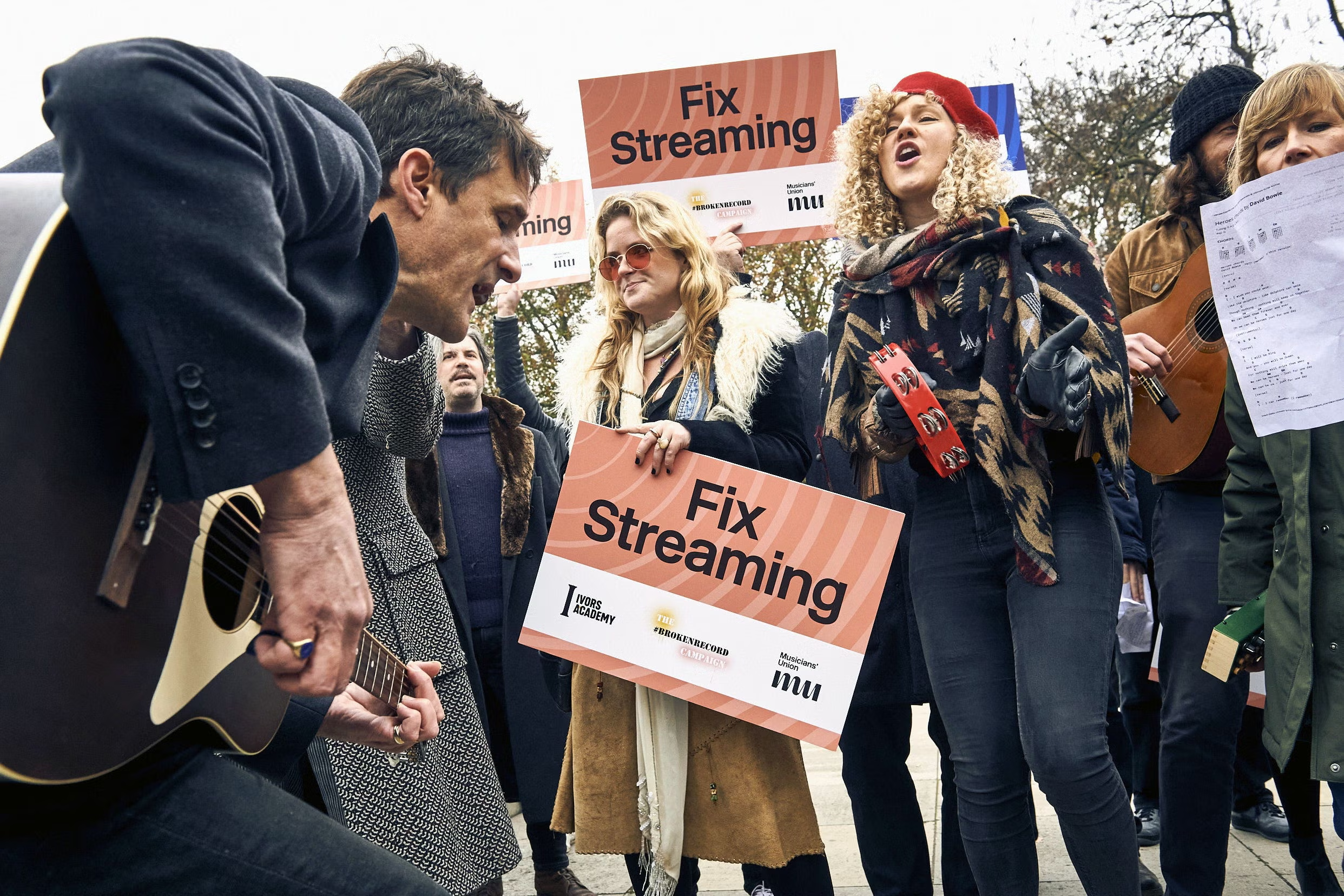
For artists, labels and managers, the question is not only where listeners press play. It is where those plays turn into dependable income. The US and UK both sit at the centre of paid music streaming, but they do not behave in exactly the same way, and understanding the difference helps you make better release, marketing and catalogue decisions. Where does streaming income really come from? Streaming income really comes from markets where listening volume is backed by paid subscriptions, mature platforms, reliable collection systems and audiences accustomed to paying for access. A country can generate millions of plays and still deliver modest royalty payments if most listening happens on low-value tiers, advertising rates are weak, or payment infrastructure is underdeveloped. By contrast, the US and UK matter because music streaming is not just popular there; it is deeply commercialised. That is the core of US vs UK: where streaming revenue (and real royalties) actually lives. Play counts tell you where attention is. Royalty payments tell you where that attention is being monetised. Both matter, but they are not the same signal. The US leads on scale The United States is the largest streaming prize because of its sheer volume and spending power. It accounts for approximately 30% of global paid streams, which makes it a central market for almost any serious streaming strategy. When a track gains traction in the US, the effect can be significant because the audience is large, subscription behaviour is strong, and the commercial ecosystem around recorded music is highly developed. This does not mean every US stream is equally valuable or that success is easy. Competition is intense, playlist space is crowded, and paid advertising can become expensive quickly. But from a revenue perspective, the US remains difficult to ignore because a meaningful share of global paid listening is concentrated there. For catalogue owners, the US can be especially important. Older tracks, genre niches, sync-driven rediscovery and social media revivals can all benefit from the size of the American market. A steady base of paid listeners can turn long-tail consumption into ongoing income, even when a song is no longer part of an active campaign. The UK punches above its weight The UK accounts for approximately 7% of global paid streams and is the third-largest paid streaming market in the world. That is a striking position for a country with a much smaller population than the US. It shows how valuable a market can become when high adoption, strong payment habits and a mature music culture come together. For artists, the UK can be a powerful proving ground. It has influential media, active fan communities, strong live music habits and listeners who are used to discovering music across genres. The market may be smaller than the US, but it can still deliver real royalties because paid streaming is normalised. The UK also has an outsized cultural impact. Momentum there can support international credibility, press interest and playlist attention beyond its borders. A release that performs well in the UK is not simply earning from one territory; it may also be building a story that helps the track travel. Streaming revenue vs royalties: what is the difference? Streaming revenue vs royalties is the difference between the money generated by streaming activity and the money that eventually reaches rights holders and creators. Platforms generate revenue through subscriptions and advertising, then pay out according to licensing agreements, usage share, territory, rights ownership and distributor or label arrangements. The artist’s final royalty payments depend on the route that money takes. This is why “we got streams” is not the same as “we got paid well”. A high play count in a lower-value market may create visibility, fan growth or algorithmic momentum, but it may not produce the same income as fewer streams from a strong paid market. Equally, a track with modest numbers in the US or UK may outperform a much larger play count elsewhere if those streams come from paying subscribers and flow through effective royalty systems.
How to Build a Fan-Led Music Promotion Strategy
For independent musicians, visibility is rarely just about posting more. It is about creating moments that fans want to repeat, remix, archive and share without being asked. Fan accounts for independent artists can turn casual listeners into active advocates, giving your music promotion a more human, community-led edge while strengthening long-term fan engagement. The idea is simple: a fan account is a social profile, page or community space run by listeners rather than the artist’s official team. It might share gig clips, lyric edits, outfit photos, release reminders, playlist links, memes, reaction posts or behind-the-scenes commentary. When handled well, these accounts become a living extension of your artist world, not a replacement for your own voice. Why do fan accounts matter for independent artists? Fan accounts matter because people often trust enthusiasm from other fans more than polished self-promotion. A post from an official artist account can announce a new single, but a fan account can show why the song means something, how it fits into a community, and why others should pay attention. In a crowded music landscape, that peer-to-peer energy is powerful. The wider context makes this even more important. Streaming remains central to recorded music, with IFPI reporting that subscription streaming revenues accounted for more than half of global recorded music revenues in 2025. That means discovery is increasingly digital, but digital attention is also fragmented. Fan accounts help independent artists stay visible between releases, especially on platforms where repeated, varied signals can keep a song, look or moment circulating. (ifpi.org) There is also a commercial reason to care. Luminate’s 2023 data found that 18% of US music listeners were superfans, and that superfans spent 126% more on artist merchandise than the average music listener. While those figures are not a promise for every independent artist, they show why nurturing your most active listeners matters. The people most likely to run or support fan accounts are often the same people who buy merch, attend shows, bring friends and defend your music online. (luminatedata.com) Fan accounts turn attention into belonging A follower can like a post and move on. A fan account makes participation feel more lasting. It gives listeners a place to gather around shared references: a lyric from an early demo, a favourite live arrangement, a running joke from tour, or the story behind a self-released EP. That sense of belonging is difficult to manufacture from an official page alone. Artists have to balance announcements, aesthetics, professional updates and personal boundaries. Fan accounts are freer. They can be playful, emotional and highly specific, which is often what makes them feel authentic. For independent artists, this can be especially useful because your audience may still be forming its shared language. A fan account can help name the moments that matter. It can spotlight the song that should not be buried on an album, remind followers about a support slot, or turn a tiny live clip into something new listeners can understand quickly. The best fan engagement is not only about comments and likes. It is about giving people a reason to recognise each other. When fans start saying “we were here early”, “this bridge is everything”, or “this live version changed the song”, you are no longer just broadcasting. You are building culture. What makes a fan account worth encouraging? A good fan account adds value rather than simply reposting everything from the official artist feed. It gives context, curates highlights and makes the artist’s world easier to enter. The strongest accounts are consistent, respectful and recognisably fan-led.

Gospel Music: Business Move or True Identity?
Switching into gospel music can look like a strategic career move from the outside, especially when an artist already has an audience, industry contacts, or a recognisable sound. But the deeper question is not whether gospel can become a viable path; it is whether the music is flowing from conviction, lived experience, and spiritual identity. A gospel music career pivot may open new doors, but if it is not rooted in truth, people will usually feel the difference. Is gospel music a career pivot or a calling? Gospel music can be both a career direction and a calling, but it becomes problematic when it is treated only as a market category. A person may move from secular music into gospel because their values have changed, their message has matured, or their faith has become central to their life. That is very different from using gospel language as a branding tool because it seems safer, more respectable, or more likely to attract a loyal audience. This is where the distinction between gospel music as a career pivot vs authentic identity matters. A career pivot asks, “Where is the opportunity?” Authentic identity asks, “What is true in me?” One is primarily about positioning; the other is about alignment. The healthiest shift happens when the outward genre change matches an inward transformation. There is nothing wrong with being practical. Artists still need to think about production, distribution, audience development, live performance, publishing, and sustainability. Ministry does not cancel professionalism. However, gospel music carries a spiritual weight that demands more than clever planning. If the message is sacred, the motive matters. The business reality cannot be ignored It would be naïve to pretend gospel music has no business dimension. Gospel artists release projects, sell tickets, negotiate contracts, build teams, create content, and promote their work just like artists in any other genre. There are choirs, worship collectives, independent singers, producers, songwriters, session musicians, and labels all contributing to an ecosystem that requires skill, investment, and consistency. For some artists, gospel may appear to offer a clearer audience. The themes are defined, the community can be deeply supportive, and churches or faith-based events may create performance opportunities. An artist who has struggled to find a place in mainstream music might see gospel as a more meaningful and focused lane. Still, choosing gospel purely because it looks like a safer business decision is fragile. Audiences are not simply buying vocals, beats, or polished visuals. They are listening for sincerity. In gospel, people often connect with the testimony behind the tone. If the business strategy is louder than the spiritual substance, the work may feel hollow, even if it is technically excellent. A practical lens is useful, but it should not become the foundation. The question is not, “Can this genre work for me?” The better question is, “Can I stand inside this message honestly?” Authentic identity carries a different sound Authenticity in gospel music is not about having a perfect life or a flawless religious image. It is about singing, writing, and living from a place that is genuinely yours. People can usually sense when faith is being performed as an aesthetic rather than expressed as a reality. That does not mean every gospel artist must have the same story. People come from church backgrounds, while others return to faith after spending years away. Others discover the gospel through pain, recovery, loss, gratitude, or personal transformation. The point is not the shape of the journey; it is the honesty of it. When gospel is part of who you are, it affects more than lyrics. It influences how you speak about people, how you handle attention, how you respond to pressure, and how you define success. The music becomes an extension of your life rather than a costume you put on for release day. This is why listeners often notice the difference between genuine and inauthentic transitions. Genuine faith has texture. It carries humility, struggle, joy, reverence, and sometimes uncertainty. Trend-led faith often feels shiny but thin. It may use the right words, but it does not always carry the weight of lived conviction. Why does motive matter so much in gospel music? Motive matters because gospel music is not only entertainment; it points towards belief, hope, worship, healing, and testimony. If an artist steps into that space only to chase visibility, the message risks becoming a product without a soul. The issue is not about profit or risk; it is about who you really are.
MYSOUND
Download the app