EVERYTHING
AN ARTIST
NEEDS.
The all-in-one platform where independent artists distribute globally, monetize fans directly, and build their empire — powered by AI and fueled by MSC Coin.

DICE AILES
FEATURED
ARTISTS.
LIVE.
RIGHT NOW.

DICE AILES - Empire Tour Kickoff

Bagge - Intimate sessions

Bobbie Richie - Afro Fest
FRESH
ALBUMS.
CURATED
BY THE BEST.
ARTICLES
& BLOGS.

How to Turn TikTok Views Into Music Streams, Fans and Gig Bookings
Turn TikTok virality into lasting music success with strategies for streaming revenue, live gigs, fan growth and sustainable careers

British Music Is More Than Streaming Numbers: How Can Emerging Artists Build Sustainable Careers?
Streaming can help new music travel quickly, but it rarely tells the whole story of an artist’s career. For emerging British musicians, a sustainable path usually comes from combining income streams, building a loyal audience, and making practical choices that protect both creative energy and long-term finances. This article explores how emerging British musicians can build sustainable careers beyond streaming numbers, with a clear look at royalties, live performance, publishing, merchandise, audience development and eco-friendly music. What does a sustainable music career really look like? A sustainable music career is one that gives an artist enough stability, flexibility and creative control to keep making work over time. It is not simply about chasing the biggest playlist, the fastest viral moment or the highest monthly listener count. In a competitive industry, sustainability means understanding where income can come from, how fans move from casual listeners to supporters, and which opportunities genuinely fit the artist’s goals. For British musicians, this can mean balancing local gig circuits, digital releases, collaborations, sync opportunities, direct-to-fan sales and community-building. It can also mean accepting that growth may look uneven. One release might bring attention, while a small run of shows or a clever merchandise drop may provide the cash flow that keeps the next project possible. The strongest careers often have several foundations working together: Creative identity: a clear sound, message or visual world that helps listeners remember the artist. Revenue mix: income from royalties, live performances, publishing, merchandise and other opportunities. Audience relationship: regular communication with fans rather than relying only on algorithms. Professional habits: organised metadata, fair agreements, budgeting and consistent promotion. Personal resilience: realistic pacing, boundaries and decisions that avoid burnout. Streaming has a place in this mix, but it should not be treated as the only measure of value. A smaller audience that buys tickets, shares music, joins a mailing list and supports releases can be more meaningful than a large passive audience that never engages again. Streaming numbers are useful, but limited Streaming platforms can introduce emerging artists to new listeners, help industry professionals spot momentum, and provide data on where a track is being heard. That information can be useful when planning gigs, targeting promotion or deciding which songs connect. However, streaming numbers can also be misleading if they are treated as a complete career report. A song may receive attention without producing enough income to fund recording, travel, rehearsals, artwork or marketing. Similarly, a spike in streams may not translate into ticket sales if listeners do not know the artist’s story or have no reason to follow them more closely. The challenge is not to reject streaming, but to place it within a wider strategy. Emerging artists can use streaming more effectively by asking practical questions. Which tracks lead people to follow? Which cities or regions show consistent interest? Are listeners moving from platforms to social channels, newsletters or live events? When streaming becomes a discovery tool rather than the whole business model, it can support sustainable careers for British musicians instead of narrowing their options. The core income streams every emerging artist should understand A musician navigating a competitive industry needs more than talent and good songs. They need a working knowledge of how money moves through music, where rights are created, and how audience attention can become reliable support. The following areas are not glamorous shortcuts, but they are essential building blocks. Royalties Royalties are payments generated when music is used, played, streamed, broadcast, performed or reproduced. For an emerging artist, this can include recording royalties from the use of a master recording and publishing royalties connected to the composition itself. The details can vary depending on agreements, collaborators and platforms, which is why accurate credits and clear splits matter from the beginning. In a competitive market, royalties are often slow-building rather than instantly transformative. Still, they matter because songs can continue earning after release day, especially when they are properly registered and promoted. Artists who ignore royalties may leave money unclaimed or create disputes later, particularly when tracks involve producers, co-writers or featured performers. Live performances Live performance remains one of the most powerful ways for musicians to turn attention into connection. A gig lets listeners experience the personality, musicianship and atmosphere behind the recorded tracks. For new artists, even modest shows can build confidence, improve stagecraft and create the kind of word-of-mouth that streaming alone cannot deliver. The challenge is that live work has costs: rehearsal time, transport, equipment, crew, promotion and sometimes accommodation. Sustainable planning means treating gigs as both creative opportunities and business decisions. A support slot, local showcase or festival appearance may be worthwhile if it reaches the right audience, but artists should still understand what they are investing and what they hope to gain. Publishing Publishing is the business of songs as compositions: melody, lyrics and musical structure. It is separate from the recording, which means a songwriter can have rights in a song even if someone else performs or records it. Publishing income can come from radio play, live performance, streaming, covers, sync placements and other uses of the composition. For emerging musicians, publishing knowledge is a form of protection. It helps them understand co-writing splits, keep track of song registrations and recognise opportunities beyond releasing tracks under their own name. In a crowded industry, a strong song catalogue can become an asset that supports the artist even when they are between releases. Merchandise Merchandise is any product fans can buy to support the artist and carry the artist’s identity into the world. This might include T-shirts, posters, vinyl, tapes, zines, tote bags, limited artwork or digital items. Good merchandise is not just a logo on a product; it feels connected to the music, the visuals and the community around the artist. For emerging British musicians, merchandise can be especially useful at gigs, where enthusiasm is high and fans want a tangible memory. It can also help artists test demand before committing to larger production runs. The key is…

How AI Is Transforming the Music Industry: What Artists Need to Know
Imagine releasing a song today and discovering that within hours, an algorithm has already decided who is most likely to hear it, a streaming platform has determined where it should appear, data has identified the listeners most likely to become fans and somewhere else, an AI system has created a synthetic version of a song that sounds disturbingly like you. That is no longer science fiction. It is the music business of 2026. The latest move by Sony Music offers a striking glimpse into just how complicated this future is becoming. Sony has reportedly asked digital platforms to remove more than 260,000 AI-generated tracks impersonating its artists, almost twice the number it sought to remove just six months earlier. The tracks reportedly include AI imitations of major names such as Harry Styles, Adele, Britney Spears and Michael Jackson. But there is a bigger story behind that number. The music industry is not simply fighting AI. For artists in Britain and around the world, the question is becoming increasingly profound: in a music industry increasingly controlled by algorithms, data and artificial intelligence, what does it actually mean to have a career? Sony’s AI Battle Is Bigger Than Sony Sony’s latest fight illustrates the central contradiction facing the modern music industry. On one hand, AI can become a powerful creative tool. On the other, the same technology can imitate an artist’s voice, generate music at enormous scale and potentially flood streaming platforms with recordings that compete for listeners and royalties. Sony is therefore fighting one part of the AI revolution while positioning itself to participate in another. That is not necessarily contradictory. It may actually be the industry’s survival strategy. Sony Music joined the Alliance for Responsible Innovation in the Arts & Media in September, becoming the first major music company to join the coalition. The company said generative AI presents both opportunities and challenges and that it wants to help shape policies that protect creativity while supporting innovation. The message is becoming clear: AI is coming into music whether the industry likes it or not. The battle is increasingly about who controls it, how it is used and who gets paid. Streaming Already Changed the Artist’s Career Before AI arrived, streaming had already transformed what it meant to be a successful musician. The album shelf disappeared. The CD shop lost its dominance. The radio gatekeeper became less powerful. A teenager with a laptop could release a song and potentially reach listeners in Manchester, Miami, Mumbai or Melbourne. The UK provides a remarkable example. British recorded music revenue surpassed £1.5 billion for the first time in 2025, reaching £1.57 billion. Streaming revenue alone reached £1.07 billion, accounting for 67.7% of recorded music revenue. More strikingly, UK audio streaming passed 210 billion streams during 2025, with streaming representing 89.3% of music consumption under the BPI’s measurement. That means an artist’s career is increasingly built inside an ecosystem of streams, playlists, recommendations, algorithms and listener behaviour. The song is no longer simply released. It is processed by a machine. Data Is Becoming the New A&R. For decades, record companies relied heavily on human A&R executives to identify promising artists. They attended shows, listen to demos, watch audiences and they followed trends. Today, data can reveal things humans might miss. Who is listening? Where are they located? How long do they listen? Which song do they replay? Where do listeners stop? Which cities are suddenly showing increased interest? Which demographic is discovering an artist? These questions can influence decisions about marketing, touring, playlist pitching and investment. This creates an extraordinary opportunity for independent British artists. An artist from Birmingham, Glasgow, Cardiff or Liverpool no longer necessarily needs a London executive to discover that people in Berlin or Los Angeles are responding to their music. The data can reveal the audience before the industry notices the artist. But there is a darker side. When artists begin creating music according to what the data says will perform, creativity itself can become dangerously predictable. Are Artists Becoming Products of the Algorithm? This is perhaps the question nobody wants to ask. If an algorithm discovers that songs under three minutes generate more completion rates, will artists start making shorter songs? Suppose that data shows that a particular sound is trending, will producers reproduce it? If certain lyrics generate more engagement, will songwriting become increasingly engineered? The danger is that artists may stop asking, “What do I want to say?” and start asking, “What will the algorithm reward?” That could produce an industry full of technically successful music but increasingly similar sounds. Yet the opposite may also be true. Data can tell an artist where the audience is without necessarily telling them what they must create. The smartest artists may therefore use data as a compass rather than a dictator. AI Could Become the Most Powerful Creative Assistant Yet It would be easy to discuss AI only as a threat. That would be a mistake. For an independent musician operating without the financial backing of a major label, AI could dramatically reduce the cost of making music. It can assist with brainstorming, arrangement, sound design, editing, translation, marketing, social media content and administrative tasks. Also, it could help an artist turn a rough musical idea into a working demo. Promotional material can be created. It could analyse audience behaviour. It could even help musicians identify potential markets for touring. The technology could therefore make it possible for one artist to operate like a small creative company. And this matters enormously in Britain, where emerging artists are competing in an increasingly crowded global marketplace. The UK recorded music export market reached a record £800.3 million in 2025, but growth slowed to just 0.8%, reflecting increasingly intense international competition. The world is producing more music. AI could make it produce considerably more. But More Music Does Not Mean More Attention This may become one of the defining problems of the next decade. Streaming has made music incredibly accessible, but accessibility has…
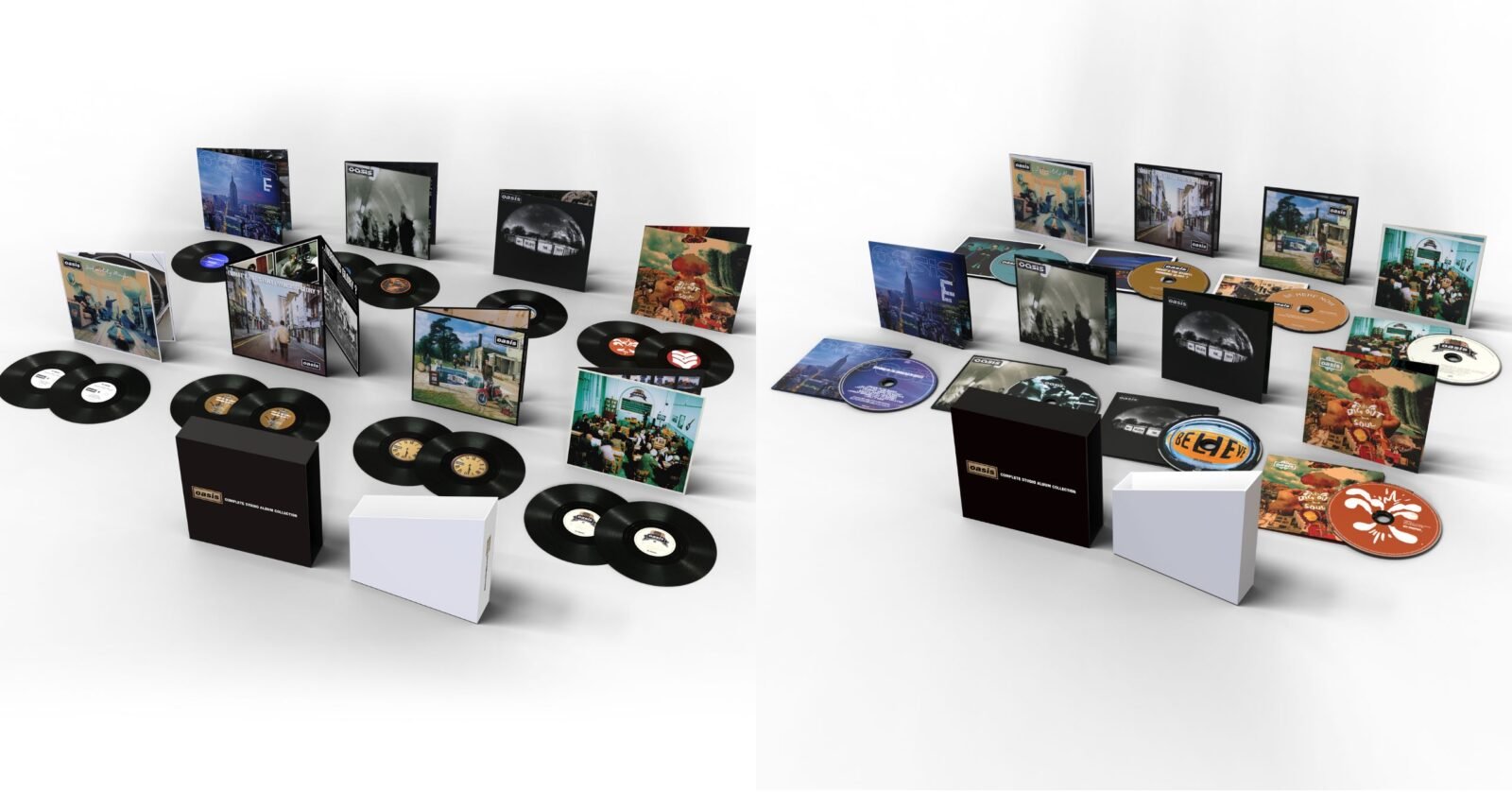
Oasis: The Complete Guide to Their History, Albums and Songs
Oasis history, albums, songs, key members, rise to fame, Britpop influence, Gallagher brothers, reunion, and lasting impact on British music
MYSOUND
YOUR MUSIC.
YOUR RULES.
YOUR EMPIRE.
Join thousands of global artists already building their sound empires on MySound.
Download the app