How AI Is Transforming the Music Industry: What Artists Need to Know
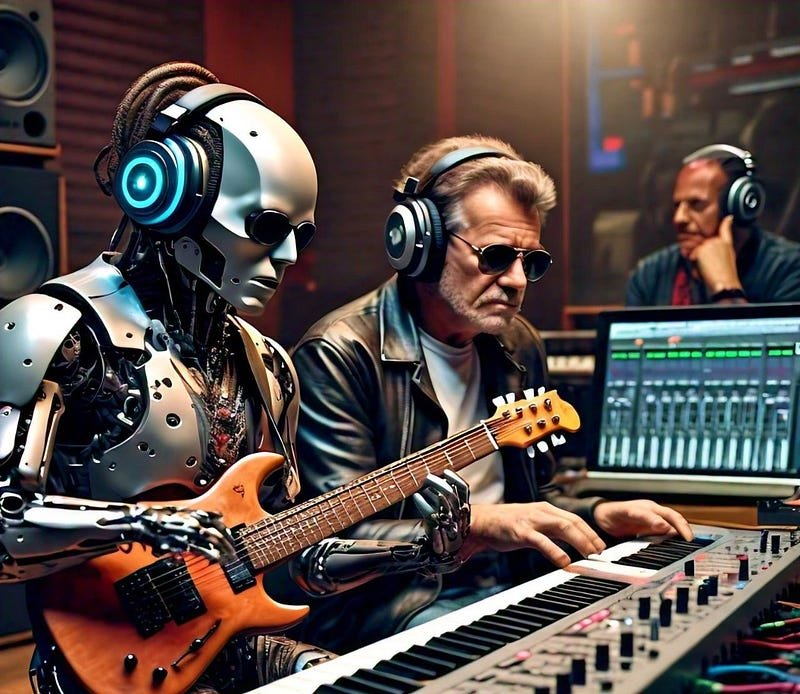
Imagine releasing a song today and discovering that within hours, an algorithm has already decided who is most likely to hear it, a streaming platform has determined where it should appear, data has identified the listeners most likely to become fans and somewhere else, an AI system has created a synthetic version of a song that sounds disturbingly like you. That is no longer science fiction. It is the music business of 2026.
The latest move by Sony Music offers a striking glimpse into just how complicated this future is becoming. Sony has reportedly asked digital platforms to remove more than 260,000 AI-generated tracks impersonating its artists, almost twice the number it sought to remove just six months earlier. The tracks reportedly include AI imitations of major names such as Harry Styles, Adele, Britney Spears and Michael Jackson. But there is a bigger story behind that number. The music industry is not simply fighting AI.
For artists in Britain and around the world, the question is becoming increasingly profound: in a music industry increasingly controlled by algorithms, data and artificial intelligence, what does it actually mean to have a career?
Sony’s AI Battle Is Bigger Than Sony
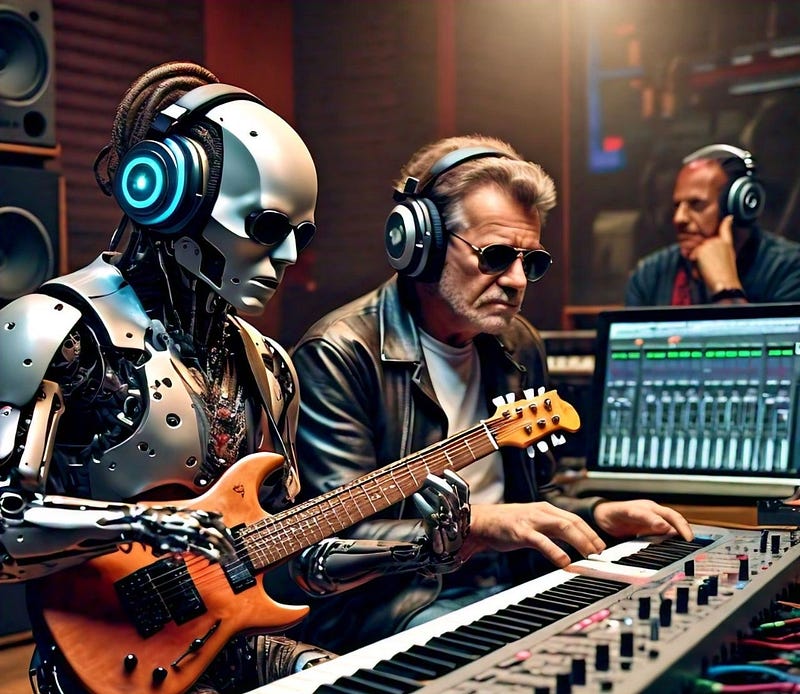
Sony’s latest fight illustrates the central contradiction facing the modern music industry. On one hand, AI can become a powerful creative tool. On the other, the same technology can imitate an artist’s voice, generate music at enormous scale and potentially flood streaming platforms with recordings that compete for listeners and royalties. Sony is therefore fighting one part of the AI revolution while positioning itself to participate in another. That is not necessarily contradictory. It may actually be the industry’s survival strategy.
Sony Music joined the Alliance for Responsible Innovation in the Arts & Media in September, becoming the first major music company to join the coalition. The company said generative AI presents both opportunities and challenges and that it wants to help shape policies that protect creativity while supporting innovation. The message is becoming clear: AI is coming into music whether the industry likes it or not. The battle is increasingly about who controls it, how it is used and who gets paid.
Streaming Already Changed the Artist’s Career
Before AI arrived, streaming had already transformed what it meant to be a successful musician. The album shelf disappeared. The CD shop lost its dominance. The radio gatekeeper became less powerful. A teenager with a laptop could release a song and potentially reach listeners in Manchester, Miami, Mumbai or Melbourne. The UK provides a remarkable example. British recorded music revenue surpassed £1.5 billion for the first time in 2025, reaching £1.57 billion. Streaming revenue alone reached £1.07 billion, accounting for 67.7% of recorded music revenue. More strikingly, UK audio streaming passed 210 billion streams during 2025, with streaming representing 89.3% of music consumption under the BPI’s measurement.
That means an artist’s career is increasingly built inside an ecosystem of streams, playlists, recommendations, algorithms and listener behaviour. The song is no longer simply released. It is processed by a machine. Data Is Becoming the New A&R. For decades, record companies relied heavily on human A&R executives to identify promising artists. They attended shows, listen to demos, watch audiences and they followed trends. Today, data can reveal things humans might miss. Who is listening? Where are they located? How long do they listen? Which song do they replay? Where do listeners stop? Which cities are suddenly showing increased interest? Which demographic is discovering an artist?
These questions can influence decisions about marketing, touring, playlist pitching and investment. This creates an extraordinary opportunity for independent British artists. An artist from Birmingham, Glasgow, Cardiff or Liverpool no longer necessarily needs a London executive to discover that people in Berlin or Los Angeles are responding to their music. The data can reveal the audience before the industry notices the artist. But there is a darker side. When artists begin creating music according to what the data says will perform, creativity itself can become dangerously predictable.
Are Artists Becoming Products of the Algorithm?
This is perhaps the question nobody wants to ask. If an algorithm discovers that songs under three minutes generate more completion rates, will artists start making shorter songs? Suppose that data shows that a particular sound is trending, will producers reproduce it? If certain lyrics generate more engagement, will songwriting become increasingly engineered? The danger is that artists may stop asking, “What do I want to say?” and start asking, “What will the algorithm reward?” That could produce an industry full of technically successful music but increasingly similar sounds. Yet the opposite may also be true. Data can tell an artist where the audience is without necessarily telling them what they must create. The smartest artists may therefore use data as a compass rather than a dictator.
AI Could Become the Most Powerful Creative Assistant Yet
It would be easy to discuss AI only as a threat. That would be a mistake. For an independent musician operating without the financial backing of a major label, AI could dramatically reduce the cost of making music. It can assist with brainstorming, arrangement, sound design, editing, translation, marketing, social media content and administrative tasks. Also, it could help an artist turn a rough musical idea into a working demo. Promotional material can be created. It could analyse audience behaviour. It could even help musicians identify potential markets for touring. The technology could therefore make it possible for one artist to operate like a small creative company.
And this matters enormously in Britain, where emerging artists are competing in an increasingly crowded global marketplace. The UK recorded music export market reached a record £800.3 million in 2025, but growth slowed to just 0.8%, reflecting increasingly intense international competition. The world is producing more music. AI could make it produce considerably more.
But More Music Does Not Mean More Attention
This may become one of the defining problems of the next decade. Streaming has made music incredibly accessible, but accessibility has created abundance. There are already millions of songs available. AI could multiply that number dramatically. If anyone can generate a song in seconds, the fundamental scarcity in music will no longer be the ability to create a song. It will be the ability to capture attention. That changes everything. The future’s most valuable musical asset may not simply be a good voice or excellent production. It may be a genuine relationship with an audience.
The Artist’s Identity Could Become More Valuable
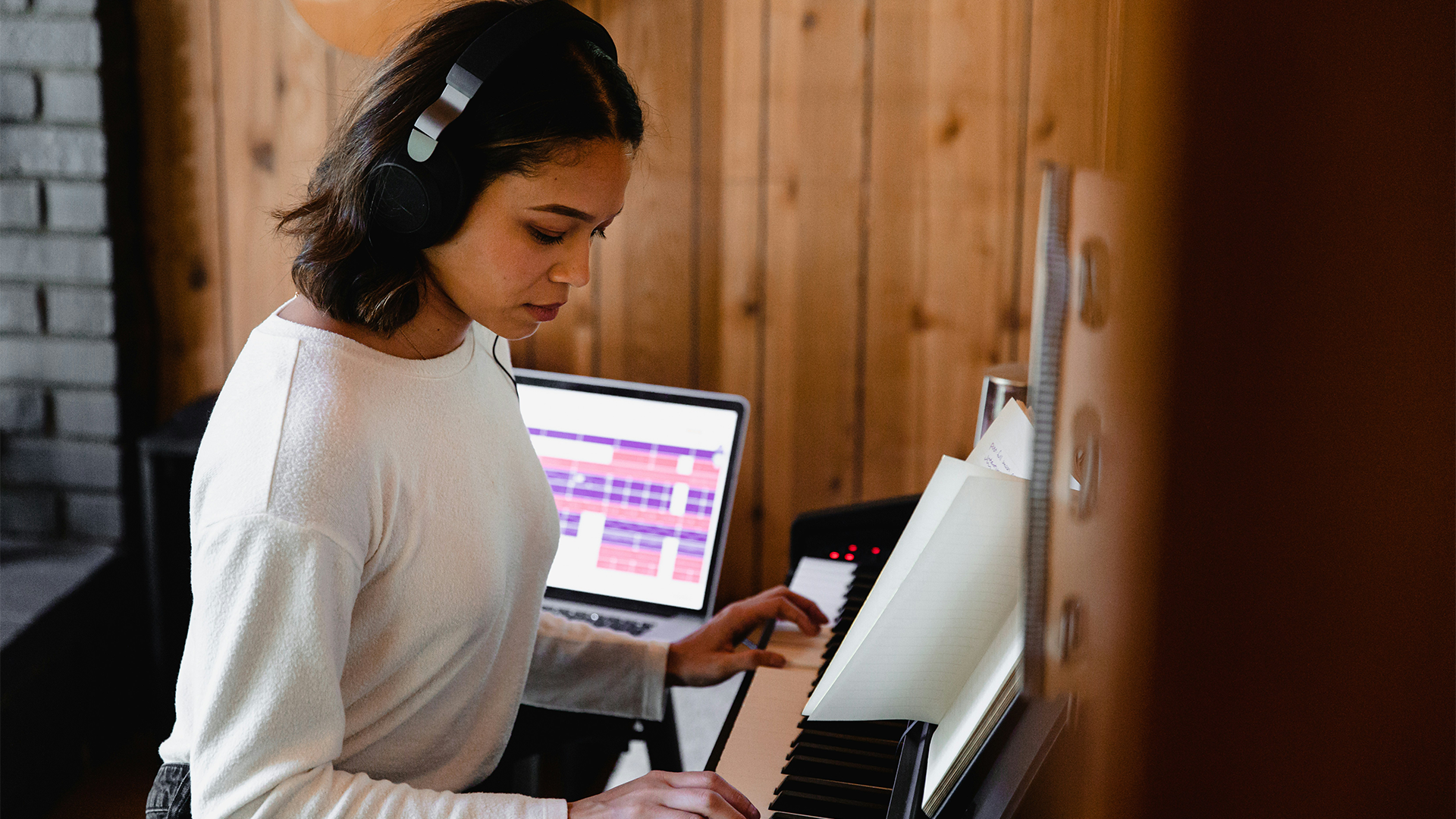
Ironically, the rise of AI may make human identity more important. If machines can generate technically impressive songs, listeners may increasingly want to know who is behind the music. What does this artist stand for? Why should I care about this person? This is where authenticity becomes commercially powerful. An AI-generated song may sound convincing. But an artist can tell a story about the night they wrote the song, the relationship that inspired it, the city that shaped them or the experience that changed their life. That human context cannot simply be manufactured.
The Deepfake Problem Is Already Here
Sony’s latest action demonstrates how serious the impersonation problem has become. By the end of September, Sony had sought removal of more than 260,000 AI-generated tracks impersonating its artists. The figure was nearly double the 135,000 tracks it had targeted by the end of March. And the problem goes beyond celebrity voices.
Imagine an emerging artist spending years building a distinctive sound, only for hundreds of AI-generated imitations to appear online. Fans being unable to tell whether a song is genuine. Imagine an artist’s voice being used to sing lyrics they never wrote or approved. Royalties being diverted towards recordings that imitate real musicians. The issue is no longer simply technological. It is about identity, ownership, reputation and money.
Streaming Fraud Adds Another Threat
AI also has the potential to intensify streaming fraud. Mass-produced tracks can be uploaded at extraordinary speed, while automated systems can potentially generate artificial streams. Sony’s latest campaign comes amid growing concern about AI-generated deepfakes and fraudulent streaming activity. The Financial Times reported that streaming fraud may account for a significant share of tracks and cost the industry billions of dollars annually. This creates a strange new competition. Artists are no longer competing only against other artists. They may increasingly be competing against machines capable of producing thousands of tracks without sleeping, touring, eating or paying studio bills.
The Industry Is Trying to Build a Different Future
The encouraging development is that the music industry is not simply sitting back. In 2025, Spotify announced an artist-first AI collaboration involving Sony Music Group, Universal Music Group, Warner Music Group, Merlin and Believe. The initiative was designed around artist choice, licensing, compensation and new revenue opportunities.
In July 2026, IFPI also introduced global principles governing when AI-developed recordings can qualify for official charts. Under the framework, AI-assisted music can qualify when the AI service is authorised, the recording remains substantially human-made and there are no concerns about manipulated streams. This could become hugely important. The future may not be AI versus musicians. It may be AI with musicians, with rules.
The British Music Industry Has Much to Gain
For the UK, this transformation represents both a threat and an opportunity. Britain remains one of the world’s most influential music markets, producing artists who can cross borders and genres. In 2025, 67 British artists generated more than one billion global audio streams each, with Coldplay, Ed Sheeran, Dua Lipa, Arctic Monkeys and Calvin Harris among the biggest UK acts worldwide. But global competition is getting tougher. American music remains dominant. K-pop continues expanding. Latin music is growing rapidly. African music is gaining international influence. British artists therefore need more than talent. They need technology, strategy, data, international marketing and strong relationships with fans. The artist who understands all of these may have a significant advantage over the artist who focuses only on making music.
The Musician of Tomorrow May Need to Be More Than a Musician
The traditional image of the musician was simple: write, record, perform. That model is changing. Tomorrow’s successful artist may need to understand audience analytics, social media, AI tools, digital rights, licensing, personal branding and international markets. That does not mean every artist must become a technology expert. It means artists need to understand the ecosystem surrounding their creativity. The smartest musicians may increasingly surround themselves with people or technology that allow them to concentrate on what humans do best. Create. Connect. Communicate. Perform.
The Most Valuable Thing AI Cannot Manufacture
There is one thing the music industry should be careful not to lose in its pursuit of efficiency. Emotion. A perfect song is not necessarily a memorable song. Sometimes the imperfections matter. The cracked voice. The unexpected pause. The strange lyric. The story behind the song. The concert where thousands of strangers sing the same words together. Music has always been more than sound. It is human experience converted into sound. And that may be precisely why the rise of AI could ultimately make human artistry more valuable, not less. The Future Is Not Coming. It Has Arrived. Sony’s battle against hundreds of thousands of AI-generated impersonations is not an isolated industry dispute. It is a warning sign and an invitation.
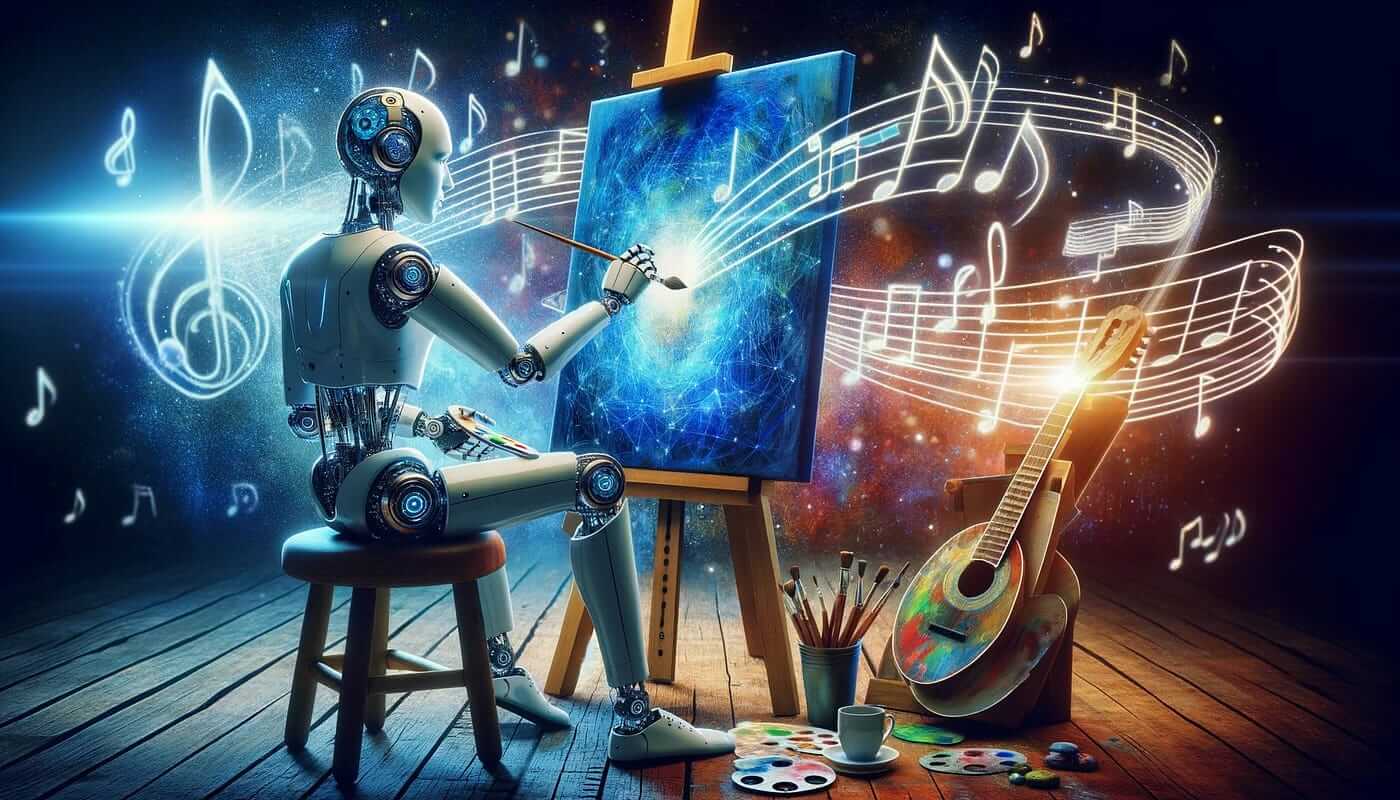
AI is changing how music is created. Data is changing how artists are discovered. Streaming is changing how success is measured. Algorithms are changing what listeners hear. And technology is changing the relationship between artists and their audiences. The winners will not necessarily be those who resist these changes. Nor will they necessarily be those who surrender completely to them. The winners may be the artists who understand how to use the machine without becoming one. Because when music becomes easier to generate, human connection becomes harder to fake. And when almost anyone can make a song, the artist who gives people a reason to care may become more valuable than ever.
Call to Action
For British artists, aspiring musicians and music professionals, the message is simple: do not fear the future of music, learn it. Understand your data, explore AI responsibly, protect your rights and build a genuine relationship with your audience. Technology can help you make music faster, reach people further and understand your listeners better, but your greatest asset remains the one thing no algorithm can genuinely own: your human story. The future of music will be powered by AI, data and streaming. But it should still belong to the artists.