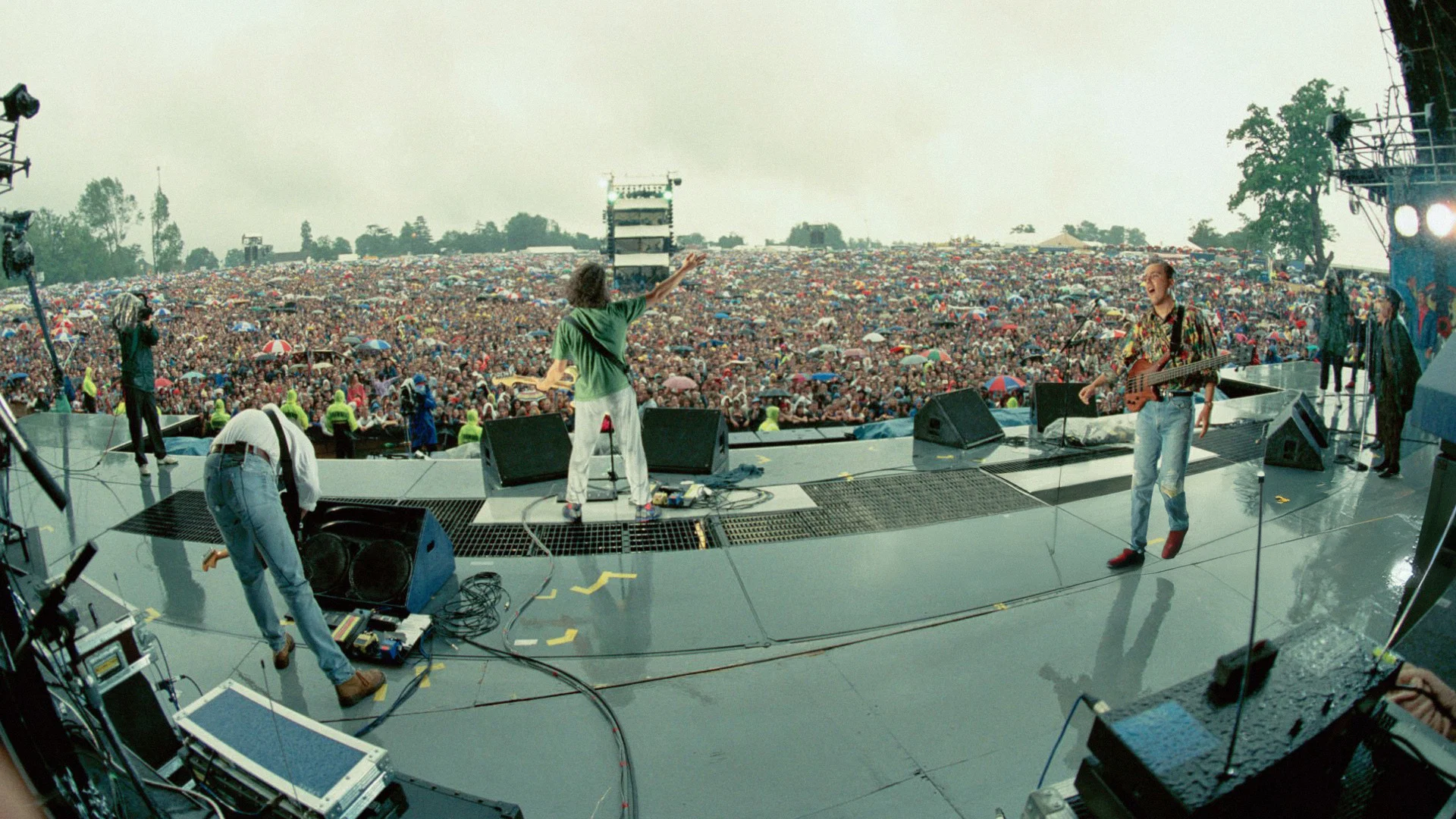
Oasis: The Complete Guide to Their History, Albums and Songs

Oasis are one of those bands whose story is almost as famous as their songs: Manchester attitude, giant choruses, sibling rivalry, and a run of albums that helped define 1990s British guitar music. This guide walks through Oasis’s history, major albums, hit songs, key members, and rise to fame and influence on British music, without turning the band into a museum piece. If you know “Wonderwall” but want the bigger picture, the Oasis discography is the best place to start.
Why did Oasis become so important?
Oasis became important because they made rock music feel huge, communal and proudly British at a moment when guitar bands were back at the centre of youth culture. Their songs were simple enough to sing in pubs, stadiums and bedrooms, but bold enough to sound like generational statements. The Rock & Roll Hall of Fame describes their 1990s arrival as a reclamation of “big, anthemic rock & roll” for a new generation, and that captures the appeal neatly: Oasis did not sound delicate, distant or over-polished; they sounded like they wanted the whole street to join in. (rockhall.com)
The band’s influence also came from timing. In the mid-1990s, Britpop was turning British bands into front-page figures, not just chart acts. Oasis brought swagger, humour and working-class Manchester confidence to the scene, while Noel Gallagher’s writing gave Liam Gallagher’s voice the kind of direct, emotional material it was born to deliver.
The early story: Manchester, Creation and the first spark
Oasis began in Manchester in the early 1990s, evolving from a group called The Rain. The early line-up centred on Liam Gallagher on vocals, Paul “Bonehead” Arthurs on guitar, Paul “Guigsy” McGuigan on bass and Tony McCarroll on drums, before Liam’s older brother Noel Gallagher joined as guitarist and chief songwriter. That shift changed everything: Oasis now had a frontman with a sneer and a songwriter with a cupboard full of big melodies.
Their break is the stuff of British music folklore. After building momentum through gigs, the band came to the attention of Creation Records, the label that would release their defining early work. Their debut single “Supersonic” arrived in 1994, followed by an album that made them impossible to ignore. AllMusic notes that “Supersonic” was the band’s official debut single and reached the UK Top 40, setting up the explosive year that followed. (allmusic.com)
What made the early Oasis formula work was its lack of fuss. The guitars were loud, the lyrics were broad but memorable, and the choruses arrived like open doors. It was rock music with no interest in hiding its ambitions.

The albums that shaped the Oasis legend
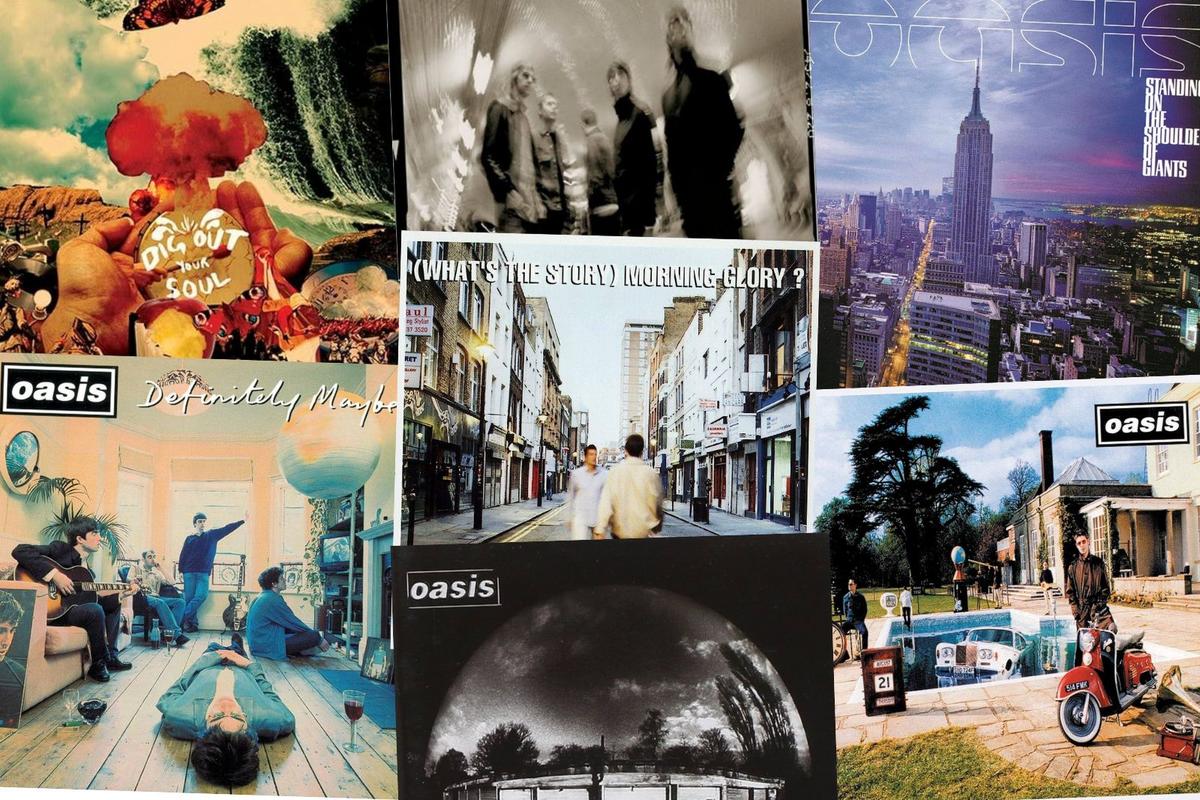
For anyone trying to understand Oasis history, major albums tell the story more clearly than any timeline. Some records are essential, some are divisive, and some are better than their reputations suggest. Together, they show a band moving from hungry outsiders to global stars, then trying to live with the pressure of being Oasis.
Definitely Maybe (1994)
If you are looking for the most electric starting point, this is it. Definitely Maybe is often placed at the top of lists of Oasis best albums because it sounds like a band kicking the door open rather than politely entering the room. “Rock ’n’ Roll Star”, “Live Forever”, “Supersonic”, “Cigarettes & Alcohol” and “Slide Away” all carry that early mix of escape, confidence and romantic grit.
The album’s power lies in its conviction. Even when the lyrics are loose, the feeling is clear: ordinary life is not enough, and music might be the way out. The official Oasis site calls Definitely Maybe Britain’s fastest-selling debut album, underlining how quickly the band’s early promise became a national phenomenon. (oasisinet.com)
(What’s the Story) Morning Glory? (1995)
The second album turned Oasis from a massive British band into an international one. (What’s the Story) Morning Glory? softened some of the debut’s raw edges but made the choruses even bigger. “Wonderwall”, “Don’t Look Back in Anger”, “Some Might Say”, “Roll with It” and “Champagne Supernova” became the songs that casual listeners still recognise instantly.
It is also the clearest example of the Liam-and-Noel dynamic working at full force. Liam gives “Wonderwall” its guarded ache, while Noel takes lead vocals on “Don’t Look Back in Anger”, creating one of the band’s great communal singalongs. The album remains central to the Oasis discography because it captures the moment when their confidence met songs broad enough to travel everywhere.
Be Here Now (1997)
Be Here Now arrived under enormous expectation. By 1997, Oasis were no longer just a band; they were a national talking point. The album is huge in every sense: long songs, thick guitars, grand gestures and very little restraint.
For years, it was treated as the classic example of Britpop excess. Yet it also has defenders, and not without reason. “D’You Know What I Mean?”, “Stand by Me” and “Don’t Go Away” show that Noel could still write memorable, emotionally direct songs, even when the production seemed determined to fill every inch of space. It is not the cleanest Oasis album, but it is fascinating because it shows what happens when a band becomes too big to move lightly.
The 2000s albums
After the 1990s peak, Oasis entered a more unsettled but still productive phase. Standing on the Shoulder of Giants (2000) marked a darker, more psychedelic turn and was the first Oasis studio album released through Big Brother Recordings after Creation’s closure. AllMusic also notes that it included Liam Gallagher’s first songwriting contribution on an Oasis album, “Little James”. (allmusic.com)
Heathen Chemistry (2002) brought the band back towards more straightforward rock songwriting, with “The Hindu Times”, “Stop Crying Your Heart Out” and Liam’s tender “Songbird”. Don’t Believe the Truth (2005) was tighter and more collaborative, featuring standout singles such as “Lyla” and “The Importance of Being Idle”. Dig Out Your Soul (2008), the final studio album before the split, leaned into heavier grooves and late-1960s textures.
Key Oasis albums at a glance
- Best first listen: Definitely Maybe — raw, thrilling and packed with early classics.
- Biggest cultural moment: (What’s the Story) Morning Glory? — the album that made Oasis global singalong material.
- Most debated record: Be Here Now — overblown to some, unfairly maligned to others.
- Best later-period entry point: Don’t Believe the Truth — concise, confident and less weighed down by expectation.
- For deeper fans: The Masterplan — a B-sides collection that proves how strong the band’s non-album material could be.
Which Oasis songs define the band?
The defining Oasis songs are the ones that turn private longing into public release. “Live Forever” is the great early anthem, full of belief and lift. “Wonderwall” is the crossover ballad that became bigger than the band itself. “Don’t Look Back in Anger” is the communal release valve, the one people reach for when they want to sing together rather than simply listen.
But the story does not stop with the obvious tracks. “Slide Away” may be the best example of Oasis at their most emotionally exposed, with Liam stretching every line into something desperate and romantic. “Acquiesce” captures the Liam-Noel contrast in one song, switching between Liam’s bite and Noel’s melodic lift. “The Masterplan” shows Noel’s gift for wistful grandeur, while “Champagne Supernova” turns vagueness into atmosphere so effectively that the mystery becomes part of the charm.
A useful beginner’s playlist might look like this:
- “Supersonic”
- “Live Forever”
- “Slide Away”
- “Wonderwall”
- “Don’t Look Back in Anger”
- “Some Might Say”
- “Champagne Supernova”
- “Acquiesce”
- “The Masterplan”
- “Stop Crying Your Heart Out”
That list gives you the swagger, the tenderness, the noise and the lighter-waving choruses without getting lost in every corner of the catalogue.
The key members and what they brought
Liam Gallagher is the voice and attitude most people picture first. His singing is nasal, raw and instantly recognisable, but its real strength is conviction. He could make a simple line sound like a dare, a complaint or a prayer, sometimes all at once.
Noel Gallagher was the main songwriter, lead guitarist and strategic force. His writing drew from classic British rock, glam, punk energy and melodic pop, but he had a knack for making familiar ingredients feel immediate. The relationship between the brothers gave Oasis much of its tension: it powered the myth, shaped the sound, and eventually helped tear the band apart.
Bonehead’s rhythm guitar was a crucial part of the early wall of sound, while Guigsy and Tony McCarroll anchored the first-era line-up. Later members, including Alan White, Gem Archer and Andy Bell, helped carry Oasis through changing line-ups and the 2000s albums. The band’s official site notes that Oasis recorded across eight albums and continued to influence musicians around the world, which is a fair reflection of how the group outlasted the original Britpop moment. (oasisinet.com)
Fame, fights and the end of the first era
No Oasis story can avoid the chaos. The Gallagher brothers’ arguments became tabloid material, and the band’s internal tensions often seemed to run alongside the music rather than behind it. For a while, that volatility fed the legend. Eventually, it became impossible to separate from the work.
Noel Gallagher left Oasis in August 2009, bringing the band’s original run to an end after Dig Out Your Soul. In the years that followed, Liam formed Beady Eye with former Oasis members before returning as a successful solo artist, while Noel launched Noel Gallagher’s High Flying Birds. The split did not shrink interest in Oasis; if anything, it kept the songs in circulation and turned reunion rumours into a permanent background hum.
That hum became reality when Oasis announced a reunion tour in 2024, followed by live dates in 2025. The band were also named among the Rock & Roll Hall of Fame’s 2026 inductees, a sign of how firmly their catalogue now sits in the wider rock canon. (oasisinet.com)
The lasting influence on British music
Oasis changed British music by making ambition feel ordinary. They reminded a generation of bands that guitars could still dominate charts, newspapers and playground conversations. Their influence can be heard not only in obvious lad-rock descendants, but in any British act that treats the chorus as a public event.
They also helped reshape what a British rock band could represent. Oasis were not polished art-school outsiders; they were loud, funny, flawed and direct. That made them easy to mock, but it also made them easy to love. Their best songs still work because they leave space for the listener to step inside them.
Final takeaway
Oasis’s story is messy, thrilling and unusually durable. The albums tell a tale of explosive beginnings, enormous fame, difficult expectations and a legacy that refused to fade. Start with Definitely Maybe and (What’s the Story) Morning Glory?, move through the singles and B-sides, then explore the later records with an open mind. You will hear why, decades on, Oasis still sound less like nostalgia and more like a crowd about to sing the next line back.