How to Build a Fan-Led Music Promotion Strategy
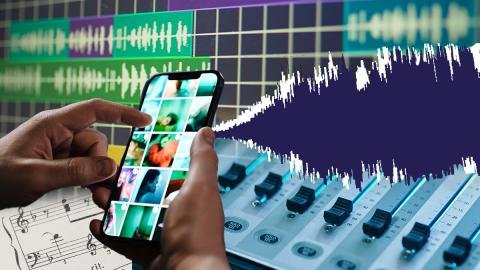
For independent musicians, visibility is rarely just about posting more. It is about creating moments that fans want to repeat, remix, archive and share without being asked. Fan accounts for independent artists can turn casual listeners into active advocates, giving your music promotion a more human, community-led edge while strengthening long-term fan engagement.
The idea is simple: a fan account is a social profile, page or community space run by listeners rather than the artist’s official team. It might share gig clips, lyric edits, outfit photos, release reminders, playlist links, memes, reaction posts or behind-the-scenes commentary. When handled well, these accounts become a living extension of your artist world, not a replacement for your own voice.
Why do fan accounts matter for independent artists?
Fan accounts matter because people often trust enthusiasm from other fans more than polished self-promotion. A post from an official artist account can announce a new single, but a fan account can show why the song means something, how it fits into a community, and why others should pay attention. In a crowded music landscape, that peer-to-peer energy is powerful.

The wider context makes this even more important. Streaming remains central to recorded music, with IFPI reporting that subscription streaming revenues accounted for more than half of global recorded music revenues in 2025. That means discovery is increasingly digital, but digital attention is also fragmented. Fan accounts help independent artists stay visible between releases, especially on platforms where repeated, varied signals can keep a song, look or moment circulating. (ifpi.org)
There is also a commercial reason to care. Luminate’s 2023 data found that 18% of US music listeners were superfans, and that superfans spent 126% more on artist merchandise than the average music listener. While those figures are not a promise for every independent artist, they show why nurturing your most active listeners matters. The people most likely to run or support fan accounts are often the same people who buy merch, attend shows, bring friends and defend your music online. (luminatedata.com)
Fan accounts turn attention into belonging
A follower can like a post and move on. A fan account makes participation feel more lasting. It gives listeners a place to gather around shared references: a lyric from an early demo, a favourite live arrangement, a running joke from tour, or the story behind a self-released EP.
That sense of belonging is difficult to manufacture from an official page alone. Artists have to balance announcements, aesthetics, professional updates and personal boundaries. Fan accounts are freer. They can be playful, emotional and highly specific, which is often what makes them feel authentic.
For independent artists, this can be especially useful because your audience may still be forming its shared language. A fan account can help name the moments that matter. It can spotlight the song that should not be buried on an album, remind followers about a support slot, or turn a tiny live clip into something new listeners can understand quickly.
The best fan engagement is not only about comments and likes. It is about giving people a reason to recognise each other. When fans start saying “we were here early”, “this bridge is everything”, or “this live version changed the song”, you are no longer just broadcasting. You are building culture.
What makes a fan account worth encouraging?
A good fan account adds value rather than simply reposting everything from the official artist feed. It gives context, curates highlights and makes the artist’s world easier to enter. The strongest accounts are consistent, respectful and recognisably fan-led.
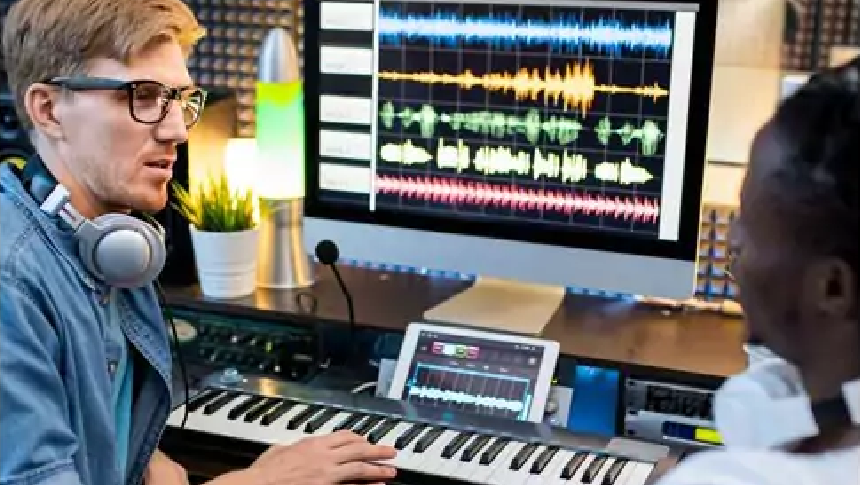
Useful fan accounts often do some of the following:
- Curate key moments: They collect live clips, interviews, release dates, radio plays, playlist adds and press mentions so newer fans can catch up quickly.
- Translate artist activity into fan language: They explain why a track matters, which lyrics fans are quoting, or how a new release connects with older work.
- Create shareable formats: Edits, short videos, quote graphics, memes and countdown posts give others easy ways to participate.
- Support discovery: They link to songs, pre-saves, videos, gig tickets or merch in a way that feels helpful rather than pushy.
- Protect community tone: They can model respectful excitement, discourage invasive behaviour and keep the focus on the music.
This matters because social media is still where a great deal of attention is spent. DataReportal reported that social media users averaged 2 hours and 23 minutes per day on social platforms in 2024. For independent artists, the opportunity is not to shout into that space constantly, but to create material that fans can carry into it on your behalf. (datareportal.com)
Encouraging fan accounts without controlling them
The quickest way to ruin a fan account is to treat it like unpaid labour. Fans can be enthusiastic, but they are not your marketing department. If you want fan accounts to become a healthy part of your music promotion, your role is to make participation easy, safe and appreciated without demanding output.
Start by acknowledging fan-made work when it genuinely resonates. A like, comment or story share can mean a lot, especially when it does not come with instructions. If you repost fan content, credit clearly. If a fan creates an edit using your live footage, tag them. If someone maintains a release archive, thank them publicly when appropriate.
You can also provide raw material that fans are allowed to use. Short vertical clips, lyric snippets, artwork assets, behind-the-scenes photos and clear release information all help. You do not need to hand over your whole visual identity. Just make it easier for listeners to celebrate the parts of your work that you already want people to see.
At the same time, keep boundaries clear. Fan accounts should not be expected to handle private information, personal addresses, unreleased songs or sensitive details. A simple public note about respectful sharing can prevent confusion. For example, you might say that live clips and edits are welcome, but leaks, impersonation and invasive personal content are not.
Practical ways to support fan-led promotion
Independent artists often think fan accounts appear only after a massive breakthrough. In reality, small habits can make fan-led activity more likely even at an early stage. The aim is not to fake a fandom, but to give real listeners enough sparks to gather around.
Try these practical steps:
- Create moments worth saving. A striking lyric, a repeated visual symbol, a memorable live intro or a handwritten setlist can all become fan-account material.
- Make your timeline easy to follow. Pin important posts, keep release dates clear and avoid making fans dig through vague captions for basic information.
- Offer content in fan-friendly formats. Short clips, clean photos, lyric cards and captions with accurate song titles make sharing easier.
- Respond selectively but warmly. You do not need to reply to everything. Thoughtful acknowledgement feels more sustainable than constant availability.
- Invite participation without pressure. Ask fans what lyric hit hardest, which city they want to see you in, or what song they would play to a new listener.
- Celebrate community milestones. A sold-out small show, a first radio play or a fan-made playlist reaching a meaningful number of saves can all become shared wins.
These actions work because they respect the difference between attention and advocacy. Attention is someone seeing your post. Advocacy is someone deciding your music is worth carrying into their own space.
Fan accounts can strengthen your release cycle
Many independent artists put most of their energy into release week, then disappear once the first wave of posts is over. Fan accounts can help extend that cycle. They give songs second, third and fourth lives by reframing them through edits, reactions, memories and recommendations.
Before a release, fan accounts can build anticipation by sharing countdowns, snippets that you have made public, tour reminders and theories about visuals or themes. During release week, they can direct people to the right links, collect reactions and encourage repeat listening. After release week, they can keep the song alive through favourite-lyric posts, acoustic comparisons, live clips and playlists.
This does not mean every fan account needs an organised campaign. In fact, over-organisation can make fan activity feel artificial. The artist’s job is to provide enough clarity and creative fuel. The community decides what catches.
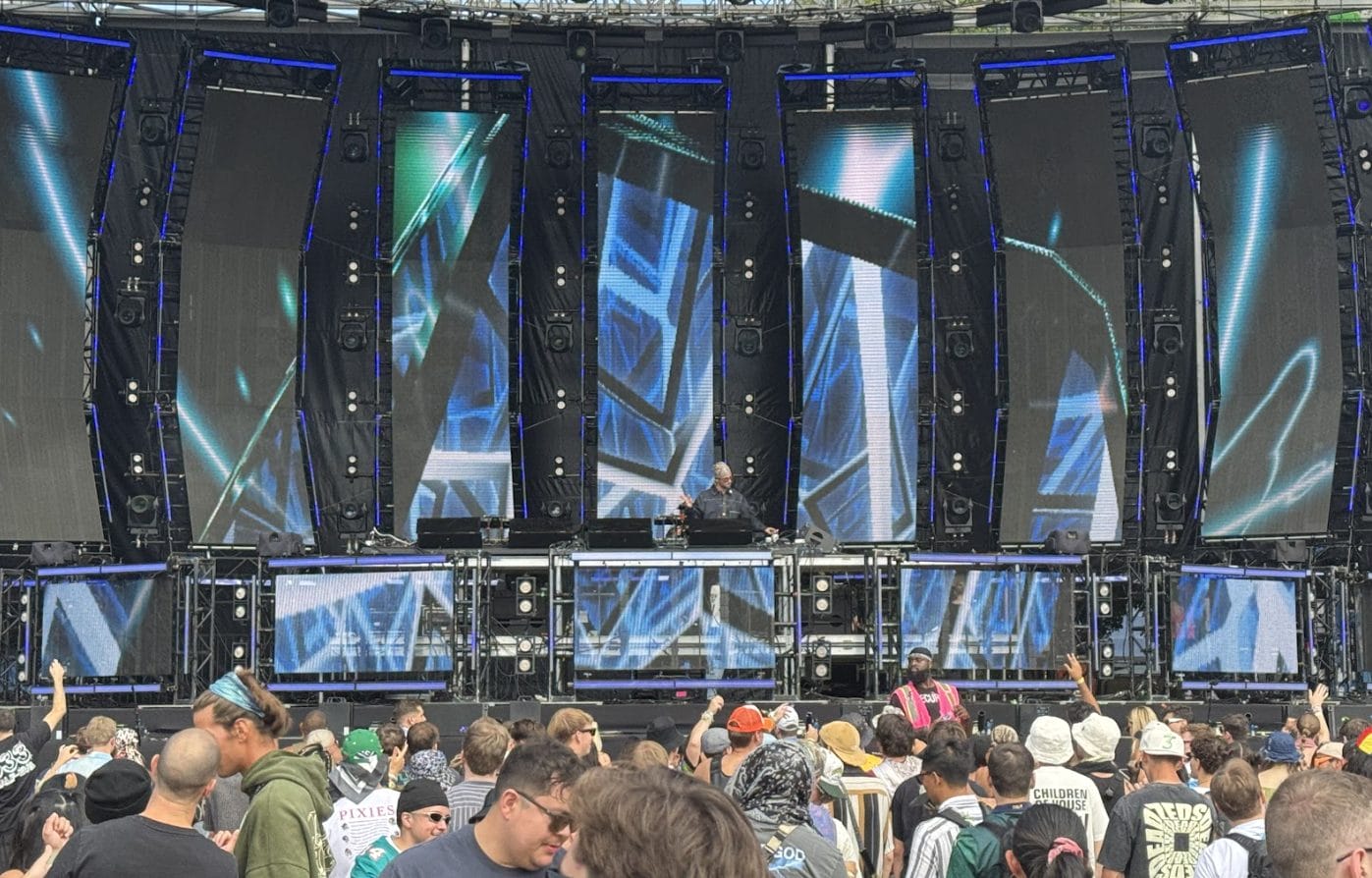
The same applies to shows. A gig is not just a date on a poster. It is a source of video, photos, setlist discussions, outfit details, crowd moments and emotional recaps. Fan accounts can turn one performance into weeks of conversation, especially when attendees feel encouraged to share respectful clips and memories.
The risks are manageable with clear boundaries
Fan accounts are not automatically positive. They can spread incorrect information, blur personal boundaries, argue with other fans or create pressure around an artist’s private life. Independent artists should take these risks seriously without becoming fearful of every fan-led space.
The healthiest approach is to set expectations early. Make official channels easy to identify. Be clear about where accurate announcements will appear. Avoid rewarding invasive behaviour with attention. If misinformation spreads, correct it calmly from your official account rather than attacking individual fans.
It is also worth remembering that not every fan space needs your presence. Some communities work best when the artist is not watching closely. Give people room to enjoy the music in their own language, while stepping in only when there is a genuine need to clarify, protect or redirect.
A small-fandom strategy with long-term value
Fan accounts for independent artists are not a magic shortcut to fame. They are more useful than that. They are a sign that listeners are beginning to build meaning around your work without needing every prompt to come from you.
For artists managing their own music promotion, that shift can be transformative. Instead of relying only on ads, algorithmic luck or constant self-posting, you begin to develop a network of people who understand the music from the inside. Their posts may be small, but they are often specific, sincere and persuasive.
The takeaway is simple: make work people can care about, give them materials they can share, credit their creativity, and protect the boundaries that keep the community healthy. Fan accounts will never replace strong songs, thoughtful releases or real-world connection, but they can amplify all three. For independent artists, that makes them less of a secret weapon and more of a community worth nurturing.