Money Out Today, £10,000: Where Would It Be in a Year?
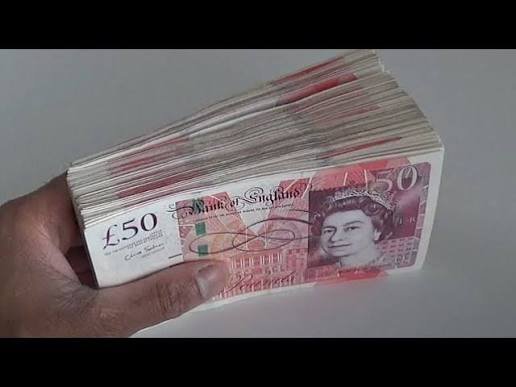
Spending all £10,000 gives you immediate value through experiences, purchases, or problems you solve today in your life. Saving it gives you access to cash and strengthens your resilience when unexpected expenses or income disruptions arise. Investing it creates potential for future growth, but you must accept that markets can reduce its value significantly. Using it to build skills, earn qualifications, buy equipment, or launch a business can increase your future opportunities.
A sum of £10,000 can disappear quickly, sit quietly, or become the starting point for a more deliberate financial plan. The important issue is not only how much money you have today, but what role that money should play over the next year: lifestyle, security, growth, or personal capability. This article looks at four serious options: Spend, Save, Invest, and Invest in Yourself, so you can think more clearly about the trade-offs behind any money growth forecast or financial future predictions.
Where would £10,000 be in a year?
Where £10,000 would be in a year depends entirely on the decision you make now: spending may improve your present lifestyle but leave no financial asset, saving may protect you from shocks, investing may offer growth with risk, and investing in yourself may improve earning power over time. There is no single correct answer, because money has different jobs at different stages of life.
A useful way to analyse the question is to stop treating £10,000 as one lump sum and start treating it as a set of possible outcomes.
Searches such as “Money Out Today” or “Where would it Be in a Year?” often imply a desire for certainty. In reality, a serious financial decision is rarely certain. The better question is: what do you need this £10,000 to do for your life over the next twelve months?
Spend: today’s lifestyle has real value
Spending is not automatically irresponsible. Money exists partly to improve quality of life, reduce stress, support family, and pay for things that matter now. For a UK household, £10,000 could contribute to home repairs, a reliable car, childcare costs, debt repayment, dental treatment, a family holiday, or replacing equipment that is holding daily life back.
The danger is not spending itself, but unconscious spending. If £10,000 is used without a plan, the benefit can fade quickly while the opportunity cost remains. A new kitchen appliance, a holiday, and several months of higher discretionary spending may all be legitimate choices, but they should be judged against what that money can no longer do afterwards.
A simple example makes the issue clear. If you spend £4,000 on a car repair and £1,500 on essential home maintenance, you may avoid future disruption and protect your ability to work. That is different from spending £5,500 on items that feel rewarding for a few weeks but do not solve a lasting problem. Both reduce the cash balance, but they do not produce the same practical result.
When allocating money to spending, ask:
- Is this spending essential, beneficial, or merely impulsive?
- Will it reduce a cost, risk, or pressure in the near future?
- Would I still make this purchase if I had to explain it to my future self in twelve months?
- Is there a lower-cost alternative that achieves most of the same benefit?
- Am I spending because it fits my values, or because the money is simply available?
Used carefully, spending can be a rational part of a financial plan. Used casually, it can turn £10,000 into a memory with little measurable benefit.
Save: future needs and emergencies need funding
Saving is the most defensive use of £10,000. It may not feel exciting, but it can be powerful because it buys time, choice, and stability. In the UK, where many people face variable bills, housing costs, transport expenses, and employment uncertainty, accessible savings can prevent a short-term problem from becoming expensive debt.
An emergency fund is not designed to make you rich. It is designed to stop you becoming financially exposed. If your boiler fails, your income drops, or your car needs urgent repair, savings can help you respond without immediately relying on credit cards, overdrafts, or loans.
Consider a simple numeric example. If your essential monthly costs are £2,000, then £6,000 could cover roughly three months of core expenses. That does not create investment growth, but it may create breathing space during illness, redundancy, a family emergency, or a delayed payment. The value is not just the balance; it is the reduction in panic.
Saving can also support planned future needs. You might set aside money for annual insurance, tax bills if you are self-employed, school costs, moving home, professional fees, or a future deposit. This is where a realistic money growth forecast should include more than potential returns. Sometimes the best “growth” is avoiding interest charges, late fees, or forced borrowing.
A practical savings split might include:
- Immediate emergency money held somewhere accessible.
- Short-term savings for known costs within the next year.
- A separate pot for irregular but predictable expenses.
- Cash reserved before taking investment risk.
The main weakness of saving is that cash may lose spending power if prices rise. However, that does not make savings pointless. It means cash should have a purpose: liquidity, protection, and near-term certainty.
Invest: potential growth comes with uncertainty
Investing aims to make money work over time, but it is not a guaranteed route to profit. Investment returns depend on asset performance, charges, timing, tax position, and market conditions. Any economic growth forecast is only a forecast, not a promise, and short periods such as one year can be especially unpredictable.

If you invested £10,000 and it grew by 5% over a year, the holding would become £10,500 before considering fees, tax, or platform costs. If it fell by 10%, it would become £9,000. These simple numbers show why investing should be considered seriously rather than emotionally: the upside is attractive, but the downside is real.
For many UK investors, the bigger advantage of investing is not one dramatic year, but disciplined participation over a longer period. A single year may produce a gain, a loss, or very little movement. Over longer periods, investments may have more time to recover from volatility, though recovery is never guaranteed.
Before investing, consider:
- Your time horizon: money needed within a year may not be suitable for higher-risk investments.
- Your risk tolerance: a fall in value should not force you into panic selling.
- Diversification: relying on one company, sector, or asset can increase risk.
- Charges: fees reduce returns and should be understood before committing.
- Tax wrappers: UK options such as ISAs may be relevant, depending on your circumstances.
- Existing debt: paying down high-interest debt may offer a clearer benefit than uncertain market returns.
A serious investment decision should also separate speculation from planning. Buying an asset because it is popular online is not the same as building a diversified portfolio. A credible plan explains why you are investing, how long the money can stay invested, what level of loss you can tolerate, and when you would review the decision.
Investment-risk disclaimer: investments can fall as well as rise, and you may get back less than you put in. This article is general information, not personal financial advice. If you are unsure, consider speaking to a qualified financial adviser.
Invest in Yourself: skills can change future earnings
Investing in yourself is often harder to measure than saving or investing, but it can be one of the most meaningful uses of £10,000. Education, skills, qualifications, tools, equipment, coaching, or professional experiences can improve your ability to earn, adapt, and compete. The return may not arrive in a neat twelve-month statement, but it can influence your financial position for years.

For example, spending £2,000 on a recognised qualification might help you apply for better-paid roles. Buying reliable work equipment may allow a tradesperson, designer, photographer, or consultant to accept higher-quality work. Paying for driving lessons, a licence category, software training, or a professional course could remove a barrier that has limited your options.
This category deserves discipline. Not every course is worthwhile, and not every “business opportunity” is a serious investment. Before committing money, examine whether the expense is connected to a realistic outcome. A qualification with recognised value in your field is different from a vague programme promising confidence without practical application.
Useful questions include:
- Will this skill or qualification be recognised by employers, clients, or regulators?
- Can I connect the cost to a realistic income opportunity?
- Do I have time to complete the training properly?
- Is the equipment essential for earning, or simply appealing to own?
- What would need to happen within a year for this to feel worthwhile?
Investing in yourself is not a shortcut. It still requires effort, follow-through, and judgement. However, unlike a purchase that is consumed, a well-chosen skill can remain with you and continue to influence your financial future.
£10,000 Challenge
Use this exercise to turn the idea into a practical allocation. The total must equal £10,000. You can put £0 on any line, but the point is to make an intentional decision rather than letting the money drift.
- Spend: £__________
- Save: £__________
- Invest: £__________
- Education/skills: £__________
- Business: £__________
- Other: £__________
Total: £10,000
After filling it in, test your allocation against three scenarios. First, imagine you lose income for one month: does your savings line protect you? Second, imagine markets fall shortly after you invest: can you leave the money alone? Third, imagine it is one year from now: would you respect the decision you made, even if the outcome was not perfect?
A balanced decision is usually stronger than an extreme one
Putting the entire £10,000 into one category may be right in some situations, but many people benefit from a blended approach. For instance, you might keep part as an emergency fund, use part to solve an immediate problem, invest part for longer-term growth, and allocate part to skills or tools that could improve income.
The balance depends on your debts, income stability, dependants, health, housing situation, goals, and appetite for risk. Financial future predictions can support your thinking, but they cannot replace personal context. A strong decision is not the one that sounds most impressive; it is the one that fits your actual life.
The most useful conclusion is simple: £10,000 is not just an amount of money. It is a set of choices. Spend it with intention, save it for resilience, invest it with risk awareness, or use it to strengthen your future earning power. In a year, the best outcome may not be the highest number on paper, but the clearest evidence that the money was used deliberately.