DISTRIBUTE YOUR MUSIC ✦ BUILD YOUR FAN BASE ✦ ENTER THE VERSUS ARENA ✦ EARN WITH MSC COIN ✦ GET YOUR AI MANAGER ✦ INVEST IN ARTISTS ✦ BOOK YOUR STREET TEAM ✦ GLOBAL MUSIC ECOSYSTEM ✦ DISTRIBUTE YOUR MUSIC ✦ BUILD YOUR FAN BASE ✦ ENTER THE VERSUS ARENA ✦ EARN WITH MSC COIN ✦ GET YOUR AI MANAGER ✦ INVEST IN ARTISTS ✦ BOOK YOUR STREET TEAM ✦ GLOBAL MUSIC ECOSYSTEM ✦ DISTRIBUTE YOUR MUSIC ✦ BUILD YOUR FAN BASE ✦ ENTER THE VERSUS ARENA ✦ EARN WITH MSC COIN ✦ GET YOUR AI MANAGER ✦ INVEST IN ARTISTS ✦ BOOK YOUR STREET TEAM ✦ GLOBAL MUSIC ECOSYSTEM ✦ DISTRIBUTE YOUR MUSIC ✦ BUILD YOUR FAN BASE ✦ ENTER THE VERSUS ARENA ✦ EARN WITH MSC COIN ✦ GET YOUR AI MANAGER ✦ INVEST IN ARTISTS ✦ BOOK YOUR STREET TEAM ✦ GLOBAL MUSIC ECOSYSTEM ✦

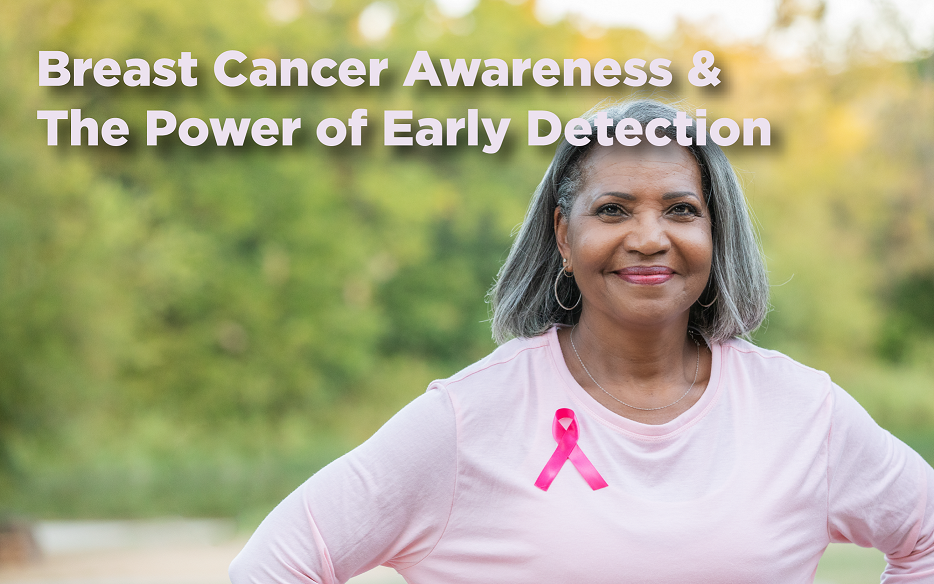
Breast Cancer Awareness: Why Early Detection Matters and What You Need to Know
Breast Cancer Awareness: Why Early Detection Matters and What You Need to Know
Share Post:

A change in the breast can be easy to dismiss. A lump may seem harmless. A change in shape may be blamed on age. A difference in the nipple may be ignored because there is no pain.

But sometimes, the smallest change can be the reason someone seeks medical advice early enough to make a life-changing difference. That is why breast-cancer awareness remains so important.

On 5 October 2026, the UK Government announced a new partnership with Breast Cancer Now to encourage women to recognise the signs and symptoms of breast cancer and seek help earlier. The campaign forms part of a wider effort to improve early diagnosis and raise awareness of changes that should not be ignored. The message is simple: knowing what is normal for your breasts can help you recognise when something has changed. And when something changes, getting it checked is important.

Why Early Detection Matters

Breast cancer is one of the most common cancers in the UK. But a diagnosis of breast cancer does not automatically mean a poor outcome. Treatment has improved considerably, and detecting cancer at an earlier stage can give patients more treatment options and improve their chances of successful treatment. According to Cancer Research UK, breast cancer survival has improved substantially over recent decades, with around 85% of people diagnosed with breast cancer surviving for 10 years or more in England. Survival is strongly influenced by the stage at which cancer is diagnosed. This is why early detection matters. It is not about creating fear. It is about creating awareness.

Taking Charge of Your Health: Breast Cancer Awareness and the Power of ...

A person who knows what to look for is more likely to recognise an unusual change and seek professional advice rather than waiting for it to disappear.

What Is Breast Cancer?

Breast cancer occurs when abnormal cells in the breast begin to grow and divide in an uncontrolled way. There are several different types of breast cancer, and they can develop in different parts of the breast. Some cancers begin in the milk ducts, while others begin in the lobules, which produce milk. Breast cancer can also affect men, although it is much less common. Importantly, having a change in the breast does not automatically mean that someone has cancer. Many breast changes are caused by conditions that are not cancerous. The important point is that an unusual or persistent change should be assessed by a healthcare professional rather than diagnosed at home.

Early Detection Saves Lives: The Importance of Breast Health with ...

What Does Breast Cancer Look or Feel Like?

A new lump or swelling in the breast or armpit is one of the symptoms people commonly associate with breast cancer. But cancer does not always present as a lump. According to the NHS, other possible symptoms include a change in the size or shape of the breast, a change in the skin such as dimpling, changes to the nipple, nipple discharge that is not breast milk, or persistent pain in the breast or armpit. The important word is change. A person’s breasts naturally vary. They can change during the menstrual cycle, pregnancy, breastfeeding and different stages of life. What matters is noticing something that is unusual for you.

A Lump Should Be Checked

A new lump in the breast can be frightening. But not every breast lump is cancer. Benign conditions such as cysts and fibroadenomas can also cause lumps. Nevertheless, the NHS advises contacting a GP if you notice a lump or swelling in the breast, chest or armpit. Do not attempt to determine whether a lump is cancerous simply by touching it. Only appropriate medical assessment can establish what is happening. That may involve a clinical examination and, if necessary, further tests such as imaging or a biopsy. The safest approach is therefore not: “It probably isn’t anything.”

It is: “I have noticed something different, so I should get it checked.”

Changes to the Shape or Size of the Breast

Breast cancer can sometimes cause a change in the appearance of a breast. One breast may appear different from the other. There may be a new change in size or shape. The skin may become pulled inward or develop a dimpled appearance. Some people describe the appearance as similar to the surface of an orange. Again, these changes do not automatically mean cancer. But if the change is new and unexplained, medical advice should be sought. This is one reason becoming familiar with the normal appearance of your breasts is useful. You are more likely to notice something unusual when you already know what is normal for you.

Pay Attention to the Nipples

ADVERTISEMENTMYSOUND SPONSORED ADS
🔥 MYSOUND GLOBAL SPOTLIGHT
Monetize your tracks, access AI tools, and earn MSC streaming rewards directly.
START FOR FREE

The nipples can also show changes. These can include a nipple becoming inverted when it was previously not inverted, changes to the skin around the nipple or unusual discharge. Nipple discharge has many possible causes and is not necessarily a sign of cancer. But unexplained discharge particularly if it is new or contains blood, should be assessed by a healthcare professional. The NHS lists changes to the nipple, including nipple discharge, among symptoms that should be checked. The lesson is not to panic. It is to pay attention.

Breast Pain: Does It Mean Cancer?

Breast pain can cause considerable anxiety, but pain alone is not usually the most typical symptom of breast cancer. Hormonal changes, menstrual cycles, pregnancy, breastfeeding, certain medications and other conditions can cause breast pain. However, persistent or unexplained pain in the breast or armpit should still be discussed with a healthcare professional, particularly if it is accompanied by another change. The goal of breast awareness is not to turn every sensation into a cancer warning. It is to recognise unusual patterns and respond appropriately.

Breast Screening Can Find Cancer Before Symptoms Appear

This is one of the most important aspects of breast-cancer awareness. You do not always need to have symptoms for breast cancer to be detected. The NHS Breast Screening Programme invites eligible women for mammograms, which use X-rays to look for signs of breast cancer. In England, women aged 50 to 71 are routinely invited for breast screening every three years. Women over 71 can continue to request screening every three years. Screening is important because it can detect cancers that are too small to see or feel. That means a person may feel completely well and still benefit from screening.

Screening Does Not Replace Breast Cancer Awareness

A screening appointment is important, but it does not mean you should ignore changes between appointments. No screening programme detects every cancer. That is why people should continue to be aware of changes in their breasts and seek medical advice if something unusual appears. A woman should not think:

“My last mammogram was clear, so this cannot be cancer.” A new change after a screening appointment still deserves attention. Screening and awareness work together.

Who Is at Risk? Breast cancer can affect anyone with breast tissue, but certain factors can increase risk. Age is one of the strongest risk factors. A family history of breast or ovarian cancer can also be important, particularly where several close relatives have been affected or cancer occurred at a younger age. Other factors include certain genetic changes, reproductive factors, alcohol consumption, and some forms of hormone therapy. However, having risk factors does not mean a person will develop breast cancer. Equally, someone without obvious risk factors can still develop it. That is why awareness matters across the population.

Genetics Can Matter

Some people inherit genetic changes that increase their risk of breast cancer. The best-known examples include BRCA1 and BRCA2. People with a strong family history of breast or ovarian cancer may sometimes be offered genetic counselling or testing. This is not something people should attempt to interpret themselves through internet searches. If you are concerned about your family history, speak to your GP or another appropriate healthcare professional. Understanding personal risk can help determine whether additional monitoring or specialist advice is appropriate.

Services | St. Francis Hospice Lifestage Care

What About Men?

Breast cancer is often described as a women’s health issue, but men can develop it too. Male breast cancer is rare, but a new lump, nipple change, discharge or other unexplained breast change should not automatically be dismissed because someone is male. The principle remains the same: A new and unusual change deserves medical attention.

What Should You Do If You Notice a Change? The first step is simple: do not panic. Most breast changes are not caused by cancer. But do not ignore something simply because you are hoping it will disappear. Contact your GP if you notice a new or unusual change. Depending on what is found, you may be referred to a specialist breast clinic for further assessment. Tests can include a mammogram or ultrasound, and sometimes a biopsy if doctors need to examine cells from the affected area. Being referred for investigation does not mean you have cancer. It means healthcare professionals want to find out what is causing the change.

Why People Sometimes Delay

There are many reasons someone might postpone seeing a doctor. Fear is one. Embarrassment is another. Some people worry about wasting the doctor’s time. Others convince themselves that because the change does not hurt, it cannot be serious. This is exactly why awareness campaigns matter.

ADVERTISEMENTMYSOUND SPONSORED ADS
🔥 MYSOUND GLOBAL SPOTLIGHT
Monetize your tracks, access AI tools, and earn MSC streaming rewards directly.
START FOR FREE

Breast Cancer Now’s partnership with the UK Government is designed to encourage people to recognise symptoms and act earlier rather than allowing uncertainty or fear to delay medical attention. Seeking medical advice is not an overreaction. It is a sensible response to an unexplained change.

Early Diagnosis Can Change the Story

Cancer can be frightening because the word itself carries enormous emotional weight. But an early diagnosis can create opportunities. Treatment options can depend on the type and stage of cancer, and doctors can discuss the most appropriate approach with the patient. Treatment may include surgery, radiotherapy, chemotherapy, hormone therapy, targeted treatments or immunotherapy, depending on the individual circumstances. This is why early detection is so important. It can move a person from uncertainty to information. From information to treatment. And from treatment to the possibility of recovery.

Awareness Is Not About Living in Fear

There is a danger that health campaigns can make people constantly anxious about every physical sensation. That is not the purpose of breast awareness. The objective is not to encourage people to repeatedly check themselves in a state of panic. It is to develop familiarity with your body so that genuine changes are easier to recognise.

A simple principle is useful:

Know what is normal for you. Notice what changes. Get unusual changes checked. That approach replaces fear with responsibility.

The Importance of Talking About Breast Cancer

Awareness also grows through conversation. Talk to mothers, daughters, sisters, friends and partners. Encourage people who are eligible for screening to attend their appointments. If someone mentions a breast change, do not dismiss it. Encourage them to seek medical advice. Sometimes a person needs only one other voice to say: “Please get it checked.” That sentence could matter more than we realise.

The Bigger Message

The new UK Government partnership with Breast Cancer Now comes at an important time. Medical science continues to improve, but technology and treatment can only do so much if people delay seeking help. Early detection depends partly on awareness. Awareness depends on knowing the signs. And knowing the signs depends on being willing to pay attention to your body. Breast cancer does not always announce itself dramatically. Sometimes it appears as a small change.

  • A lump.
  • A difference in shape.
  • A change in the skin.
  • A nipple that looks different.
  • Unexpected discharge.
  • Persistent discomfort.

The change may turn out to be harmless. But finding that out through a medical professional is far better than ignoring it and hoping for the best.

Take Action, Not Fear

Breast cancer awareness should ultimately leave people with confidence rather than fear. Know your normal. Attend screening when invited. Understand your family history. And if you notice a new or unusual change, seek medical advice. Do not wait for pain. Do not assume that because you feel healthy, nothing can be wrong. And do not let fear prevent you from asking questions.

Early detection cannot guarantee a particular outcome, but it can give doctors more information and potentially more opportunities to treat the disease effectively. That is why the message behind Breast Cancer Awareness is so powerful:

Notice the change. Don’t ignore it. Get it checked.

Your health is worth the conversation.

ADVERTISEMENTMYSOUND SPONSORED ADS
🔥 MYSOUND GLOBAL SPOTLIGHT
Monetize your tracks, access AI tools, and earn MSC streaming rewards directly.
START FOR FREE
Share Post:

Related Articles

Why Gillian Anderson’s West End Controversy Matters for Theatre Audiences

Why Gillian Anderson’s West End Controversy Matters for Theatre Audiences

Gillian Anderson’s West End controversy raises questions about celebrity, fan behaviour, theatre etiquette and the changing relationship

UK Jobs in the AI Era: Why Workers Need to Build New Skills

UK Jobs in the AI Era: Why Workers Need to Build New Skills

AI is reshaping UK jobs, making reskilling, AI literacy, adaptability and continuous learning increasingly essential for workers

How AI Is Transforming the Music Industry: What Artists Need to Know

How AI Is Transforming the Music Industry: What Artists Need to Know

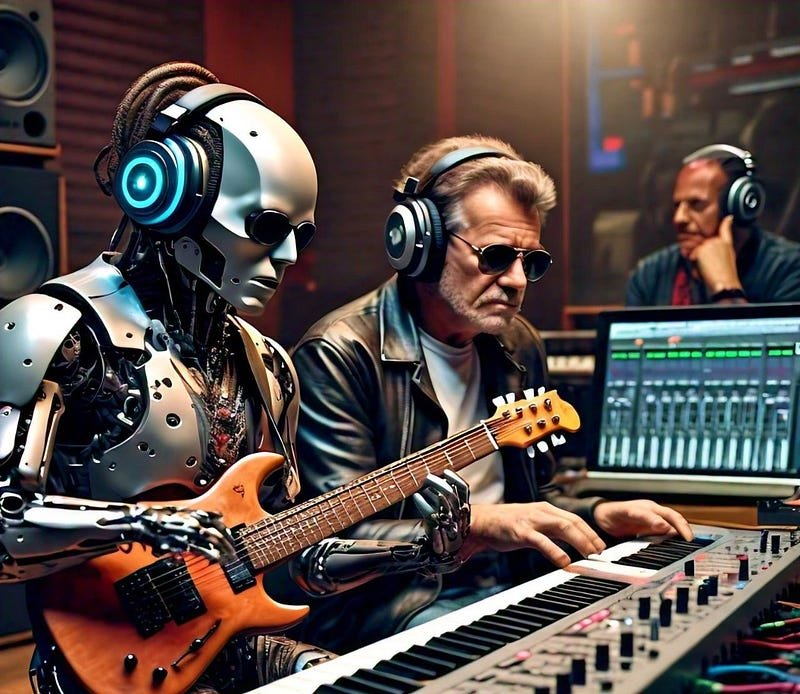
Imagine releasing a song today and discovering that within hours, an algorithm has already decided who is most likely to hear it, a streaming platform has determined where it should appear, data has identified the listeners most likely to become fans and somewhere else, an AI system has created a synthetic version of a song that sounds disturbingly like you. That is no longer science fiction. It is the music business of 2026. The latest move by Sony Music offers a striking glimpse into just how complicated this future is becoming. Sony has reportedly asked digital platforms to remove more than 260,000 AI-generated tracks impersonating its artists, almost twice the number it sought to remove just six months earlier. The tracks reportedly include AI imitations of major names such as Harry Styles, Adele, Britney Spears and Michael Jackson. But there is a bigger story behind that number. The music industry is not simply fighting AI. For artists in Britain and around the world, the question is becoming increasingly profound: in a music industry increasingly controlled by algorithms, data and artificial intelligence, what does it actually mean to have a career? Sony’s AI Battle Is Bigger Than Sony Sony’s latest fight illustrates the central contradiction facing the modern music industry. On one hand, AI can become a powerful creative tool. On the other, the same technology can imitate an artist’s voice, generate music at enormous scale and potentially flood streaming platforms with recordings that compete for listeners and royalties. Sony is therefore fighting one part of the AI revolution while positioning itself to participate in another. That is not necessarily contradictory. It may actually be the industry’s survival strategy. Sony Music joined the Alliance for Responsible Innovation in the Arts & Media in September, becoming the first major music company to join the coalition. The company said generative AI presents both opportunities and challenges and that it wants to help shape policies that protect creativity while supporting innovation. The message is becoming clear: AI is coming into music whether the industry likes it or not. The battle is increasingly about who controls it, how it is used and who gets paid. Streaming Already Changed the Artist’s Career Before AI arrived, streaming had already transformed what it meant to be a successful musician. The album shelf disappeared. The CD shop lost its dominance. The radio gatekeeper became less powerful. A teenager with a laptop could release a song and potentially reach listeners in Manchester, Miami, Mumbai or Melbourne. The UK provides a remarkable example. British recorded music revenue surpassed £1.5 billion for the first time in 2025, reaching £1.57 billion. Streaming revenue alone reached £1.07 billion, accounting for 67.7% of recorded music revenue. More strikingly, UK audio streaming passed 210 billion streams during 2025, with streaming representing 89.3% of music consumption under the BPI’s measurement. That means an artist’s career is increasingly built inside an ecosystem of streams, playlists, recommendations, algorithms and listener behaviour. The song is no longer simply released. It is processed by a machine. Data Is Becoming the New A&R. For decades, record companies relied heavily on human A&R executives to identify promising artists. They attended shows, listen to demos,  watch audiences and they followed trends. Today, data can reveal things humans might miss. Who is listening? Where are they located? How long do they listen? Which song do they replay? Where do listeners stop? Which cities are suddenly showing increased interest? Which demographic is discovering an artist? These questions can influence decisions about marketing, touring, playlist pitching and investment. This creates an extraordinary opportunity for independent British artists. An artist from Birmingham, Glasgow, Cardiff or Liverpool no longer necessarily needs a London executive to discover that people in Berlin or Los Angeles are responding to their music. The data can reveal the audience before the industry notices the artist. But there is a darker side. When artists begin creating music according to what the data says will perform, creativity itself can become dangerously predictable. Are Artists Becoming Products of the Algorithm? This is perhaps the question nobody wants to ask. If an algorithm discovers that songs under three minutes generate more completion rates, will artists start making shorter songs? Suppose that data shows that a particular sound is trending, will producers reproduce it? If certain lyrics generate more engagement, will songwriting become increasingly engineered? The danger is that artists may stop asking, “What do I want to say?” and start asking, “What will the algorithm reward?” That could produce an industry full of technically successful music but increasingly similar sounds. Yet the opposite may also be true. Data can tell an artist where the audience is without necessarily telling them what they must create. The smartest artists may therefore use data as a compass rather than a dictator. AI Could Become the Most Powerful Creative Assistant Yet It would be easy to discuss AI only as a threat. That would be a mistake. For an independent musician operating without the financial backing of a major label, AI could dramatically reduce the cost of making music. It can assist with brainstorming, arrangement, sound design, editing, translation, marketing, social media content and administrative tasks. Also, it could help an artist turn a rough musical idea into a working demo. Promotional material can be created. It could analyse audience behaviour. It could even help musicians identify potential markets for touring. The technology could therefore make it possible for one artist to operate like a small creative company. And this matters enormously in Britain, where emerging artists are competing in an increasingly crowded global marketplace. The UK recorded music export market reached a record £800.3 million in 2025, but growth slowed to just 0.8%, reflecting increasingly intense international competition. The world is producing more music. AI could make it produce considerably more. But More Music Does Not Mean More Attention This may become one of the defining problems of the next decade. Streaming has made music incredibly accessible, but accessibility has…

AI Jobs in the UK: Are Experienced Workers Becoming More Valuable?

AI Jobs in the UK: Are Experienced Workers Becoming More Valuable?

The British job market is beginning to reveal a paradox that could reshape careers for an entire generation: artificial intelligence is making some workers more productive, while simultaneously making it harder for others to get their first opportunity. At a time when AI was expected to create new pathways into employment, recent labour-market data suggests something more complicated is happening. Employers are increasingly looking for people who can combine professional experience with AI capability, creating what Indeed has described as a “two-speed” UK labour market. The question, therefore, is no longer simply whether AI will replace workers. A more uncomfortable question is emerging: will AI make experience more valuable and entry-level workers less valuable? The UK Job Market Is Splitting in Two The latest figures paint a striking picture. Indeed, UK labour-market data shows that overall vacancies remain under pressure, yet demand for jobs involving AI skills is moving in the opposite direction. By the end of June 2026, 9.4% of UK job postings explicitly mentioned AI or related tools and programmes, a record high. In data and analytics, the proportion was even more dramatic, with nearly half of postings mentioning AI. This creates an unusual situation. Companies are not necessarily hiring more people across the board. Instead, they appear to be becoming more selective about who they hire and what those workers can bring to the organisation. That distinction is crucial. A company may no longer need several employees to perform repetitive research, documentation or basic analysis when AI can assist with those tasks. But it may still desperately need an experienced professional who knows how to interpret the information, challenge an AI-generated answer, make a difficult decision and take responsibility for the outcome. The value is shifting from simply doing the task to knowing what to do with the result. Experienced Workers Have an Unexpected Advantage For years, technological disruption was often presented as a threat to older or more experienced workers. AI is challenging that assumption. Indeed, research found that software-development vacancies had recovered, with postings rising 14%, but much of the growth was concentrated in senior positions and roles directly connected to AI. IT and engineering were also among the areas where experience remained particularly valuable because AI could take over routine tasks while allowing experienced workers to concentrate on more complex responsibilities. That could fundamentally change the meaning of experience. An experienced accountant, for example, may use AI to analyse thousands of financial records faster than before. But the ability to recognise an unusual transaction, understand the commercial context and advise a client cannot necessarily be handed over to a machine. The same principle applies to lawyers, engineers, managers, doctors, marketers, journalists, financial professionals and countless others. AI may be able to accelerate the work, but experience helps determine whether the work is right. AI Is Not Killing Every Job, It Is Changing What Employers Want One of the biggest misconceptions surrounding artificial intelligence is that its impact can be measured simply by counting jobs lost. The reality is more complicated. PwC’s 2026 AI Jobs Barometer found that specialist AI job postings in the UK rose by 61%, reaching about 180,000 in 2025. It also found that workers with AI skills commanded an average wage premium of 34.2%. That does not look like a labour market in which AI is simply destroying employment. Instead, it looks like a labour market being re-priced. Certain skills are becoming more valuable. Certain tasks are becoming cheaper. Certain workers are becoming more productive. And employers are increasingly willing to pay a premium for people who can combine technological capability with professional expertise. This is where experienced workers may have an advantage. They already understand their industries. AI gives them another tool. But There Is a Problem at the Bottom of the Career Ladder If experienced workers can become more productive with AI, where does that leave someone who has just graduated?  This may be the most troubling question raised by the current transformation. Traditionally, young workers entered an organisation by performing relatively simple tasks. They learned through repetition, received supervision and gradually developed the experience required for more senior positions. But some of those basic tasks are precisely the ones AI can perform. The Bank of England has reported that AI adoption is reducing demand for some entry-level and junior roles traditionally used to provide early-career experience, including document preparation, invoice processing and basic analysis. Professional-services firms have also reported reduced graduate recruitment and lower demand for administrative and junior staff. That creates a potential vicious circle. You need experience to get the job, but you need the job to get experience. If AI reduces the number of positions where inexperienced workers traditionally learned the basics, employers could unintentionally create a generation of candidates who possess qualifications but lack opportunities to develop practical expertise. The Graduate Advantage Is Being Tested The UK’s graduate labour market is already feeling the pressure.  Indeed reported that graduate job postings reached their lowest level since 2020 during the first half of 2026, as overall hiring activity weakened. At the same time, demand for AI-related skills reached a record level. This does not mean university degrees are becoming worthless. Far from it. But the degree alone may no longer be enough. Employers increasingly want evidence that candidates can apply knowledge, work with technology, solve problems and make sound decisions. A graduate who arrives with a degree and basic AI literacy could therefore be competing against an experienced professional who understands the industry and can use AI to deliver results faster. The distinction is becoming less about education versus experience and more about education plus capability versus experience plus capability. AI Skills Are Becoming a Career Multiplier The good news is that workers do not necessarily need to become computer scientists. Skills England’s 2026 annual skills report highlights the growing importance of practical AI literacy, the ability to use, verify and safely integrate AI tools. It also identifies judgement, problem-solving, collaboration and digital fluency…

Breast Cancer Awareness: Why Early Detection Matters and What You Need to Know | MySound