Bank Rate Is Now 4%: What the Bank of England’s Rise Means for Your Mortgage, Savings and First Home
The decision in one paragraph
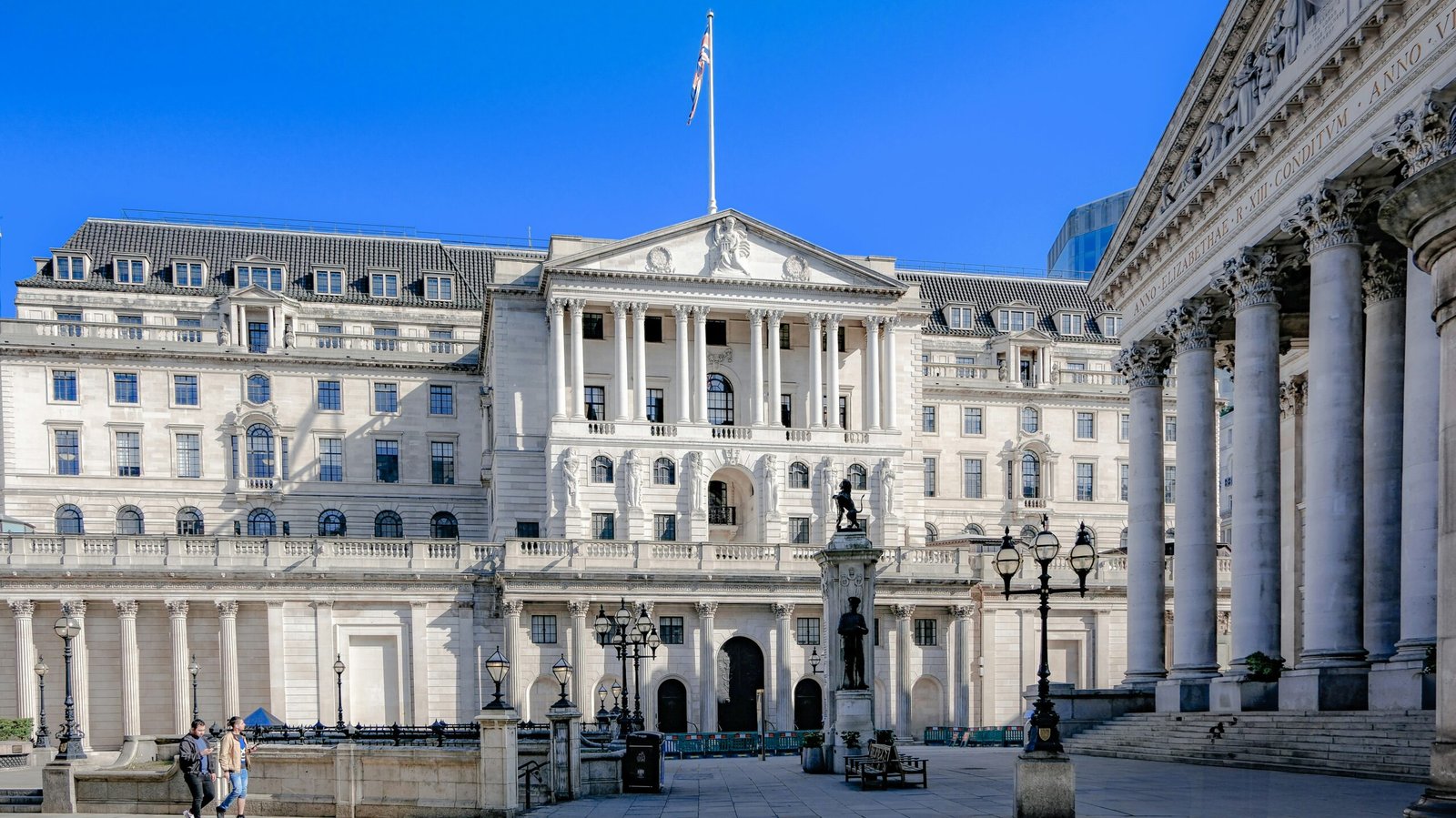
The Bank of England raised Bank Rate from 3.75% to 4% on Thursday 5 November 2026, announced at noon. The Monetary Policy Committee voted 8 to 1 in favour. The one dissenter, Catherine Mann, wanted a bigger rise, to 4.25%. It is the first Bank of England rate rise since August 2023. The Bank is acting because inflation is too high: Consumer Prices Index inflation was 3.5% in the year to September 2026, well above the Bank’s 2% target, and the Bank expects inflation to peak at around 5% by mid-2027. The next decision is on 17 December 2026. This article explains what the rise means for your mortgage, your savings, your side hustle and your first home.
Why the Bank raised rates
The Bank’s job is to keep inflation at 2%. It is not at 2%, and it is moving the wrong way: CPI inflation was 3.5% in the year to September 2026, up from 3.1% in August, the highest in almost a year. Energy prices are the main driver, with the Middle East conflict pushing up gas and oil prices and the energy price cap rising by £60 a year to £1,723 on 1 October. The Bank also fears second-round effects, where higher prices feed into higher wages and business costs, and the Budget‘s minimum wage rise adds to business costs.
The committee was already split. At its last meeting, on 17 September, it voted 6 to 3 to hold at 3.75%, with Megan Greene, Catherine Mann and Huw Pill voting to raise it to 4% there and then. On Thursday the committee moved decisively, 8 to 1, and the dissent is now in the other direction: Mann wanted to go further, to 4.25%.
What it means for your mortgage
Tracker and standard variable rate mortgages usually change soon after a base rate move. As a guide, a 0.25% rise adds about £42 a month for every £200,000 owed on an interest-only mortgage, and slightly less on a repayment mortgage, because the bank recalculates your payment on the time left on your loan. So if you owe £200,000 on a tracker, budget for roughly £40 a month more; if you owe £100,000, roughly £20. These are guides, not quotes. Your lender will confirm your exact new payment.
Fixed-rate mortgages do not change: if you are mid-deal, your payments stay as they are until it ends. But new fixed deals have already been repriced all autumn, because lenders price on what they expect the base rate to do. Before Thursday’s decision, the average rate on new mortgages had risen to 5.89%, according to Moneyfacts, and the average two-year fixed rate had risen from 4.83% in January to 5.97%, its highest since December 2023. On a £250,000 mortgage over 25 years, that adds £169 a month compared with a deal taken out at the start of 2026.
The people most exposed are those coming to the end of a fixed deal. Remortgage approvals rose to 42,600 from 34,000 in August, suggesting many homeowners are locking in early. The thing to avoid is drifting onto your lender’s standard variable rate: the average SVR was 7.13% before the decision, which on a £250,000 mortgage over 25 years works out at £1,788 a month, against £1,606 on the average two-year fixed rate. That is £182 a month for doing nothing.
What it means for savers
A rise should be good news for savers, but how much you benefit depends on your account and how quickly your provider passes the increase on. Providers are not required to pass it on in full, and timing varies. Variable-rate accounts, such as easy access accounts, can change at any time, so check whether your rate has risen. Fixed-rate accounts do not change once opened. With inflation at 3.5%, money in a low-paying account is losing spending power, so compare accounts and switch when your provider’s rate falls behind. The Cash ISA limit stays at £20,000.
What it means for your side hustle
Borrowing gets more expensive: a loan, credit card or overdraft to buy stock or equipment now costs more in interest, so price that into your margins before you borrow to fund a hustle. The Budget gave side hustlers something concrete in return: the trading allowance rises from £1,000 to £3,000 from 6 April 2027, the amount you can earn from casual self-employment before you have to declare it for tax. The message is the same either way: build the hustle from what you earn, not from what you borrow.
What it means for your first home
The rate decision does not change the Your First Home scheme itself. The scheme, announced in the Autumn Budget on 28 October 2026, is a government equity loan scheme for first-time buyers in England, backed by £4.7 billion over five years. You put down a deposit of between 2.5% and 15%, the government lends you 20% of the price through an equity loan that is interest free for five years, and a normal repayment mortgage covers the rest. Income caps are £110,000 outside London and £140,000 inside London, with price caps of £650,000 in inner London and £500,000 in outer London. Pre-registration opens by the end of December 2026, full applications open in February 2027, and the first loans are expected from April 2027. None of those details moves because of Thursday.

What does move is the mortgage part: a higher base rate usually means a higher mortgage rate, a higher monthly payment on the same home, and a lower amount a lender may be willing to lend. The deposit scheme lowers one barrier, while rising rates raise another. The practical point is timing. If you plan to apply in February 2027, the rate picture then matters more than the rate picture on Thursday. Oxford Economics expects the base rate at 4.25% by February 2027. That is a forecast, not a fact, but run your numbers at 4.25% and at 4.5%, not only at today’s rate, before you decide what you can afford.
What to do now
First, find out when your current deal ends and what type of mortgage you are on. Second, if your deal ends within six months, ask your lender about locking in early; if rates fall before it starts, you can often switch to a cheaper deal. Third, do not drift onto the standard variable rate; set a reminder for the month your deal ends. Fourth, if you are saving for a deposit, check your savings rate after Thursday. Fifth, if you are buying through Your First Home, work out your deposit target, check the caps for your area, and run affordability at a higher rate than today’s. Sixth, if you run a side hustle, check the interest on any borrowing and remember the trading allowance rises to £3,000 in April 2027.
The decision will not buy anyone a home or pay anyone’s mortgage. It sets the price of borrowing for the next few months. The people who come out best will be the ones who knew their deal, knew their date, and acted before the letter arrived.
Please note: this article is general information about an announced decision. It is not financial advice, and it is not a recommendation to borrow, fix or switch. Your circumstances are your own, and a qualified adviser can help you weigh them.