Inside Success Magazine

How to Build a Credit Score From Zero at 18 (UK)

Originally published on Inside Success Magazine
How to Build a Credit Score From Zero at 18 (UK)
Share Post:

You turn 18, you apply for your first phone contract or credit card — and you are told you have no credit history. That is normal. Everybody starts from zero. A credit score is not something you are born with; it is something you build, and the sooner you start, the easier it gets.
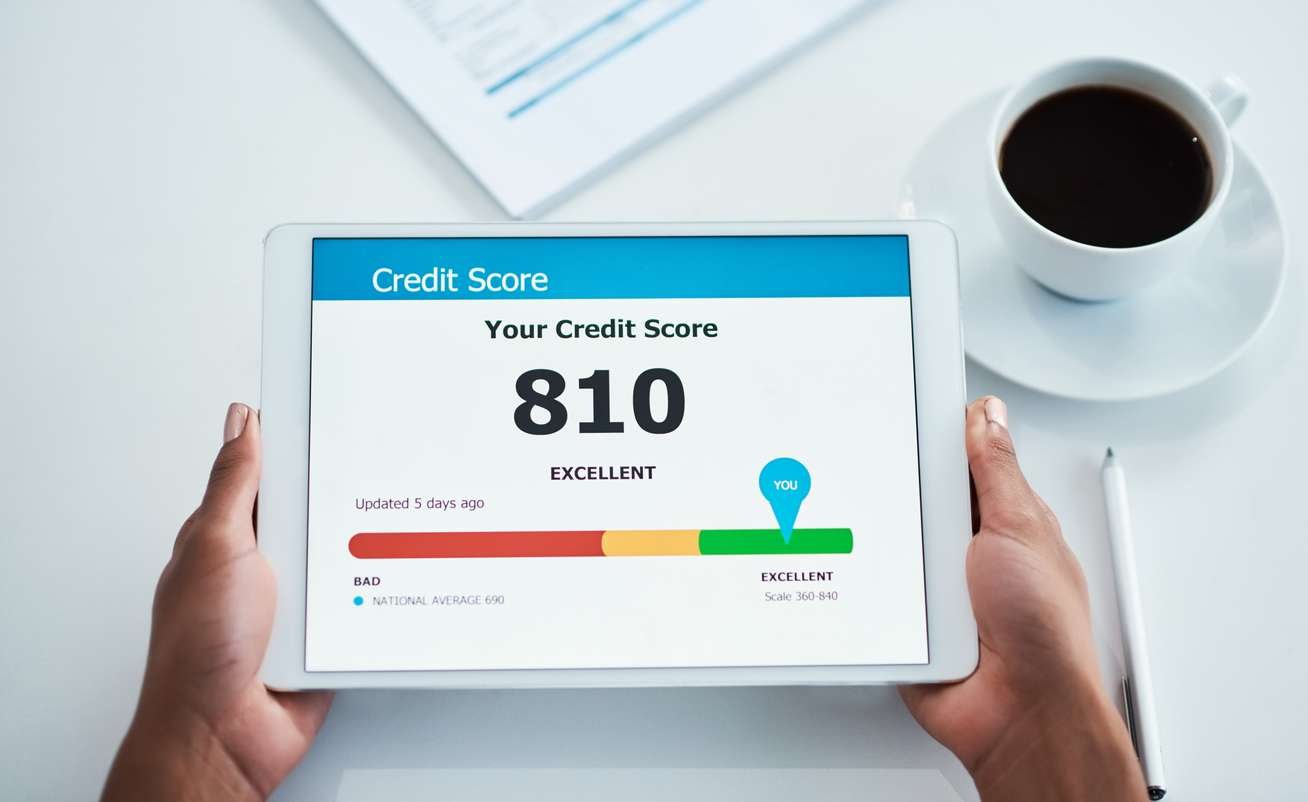
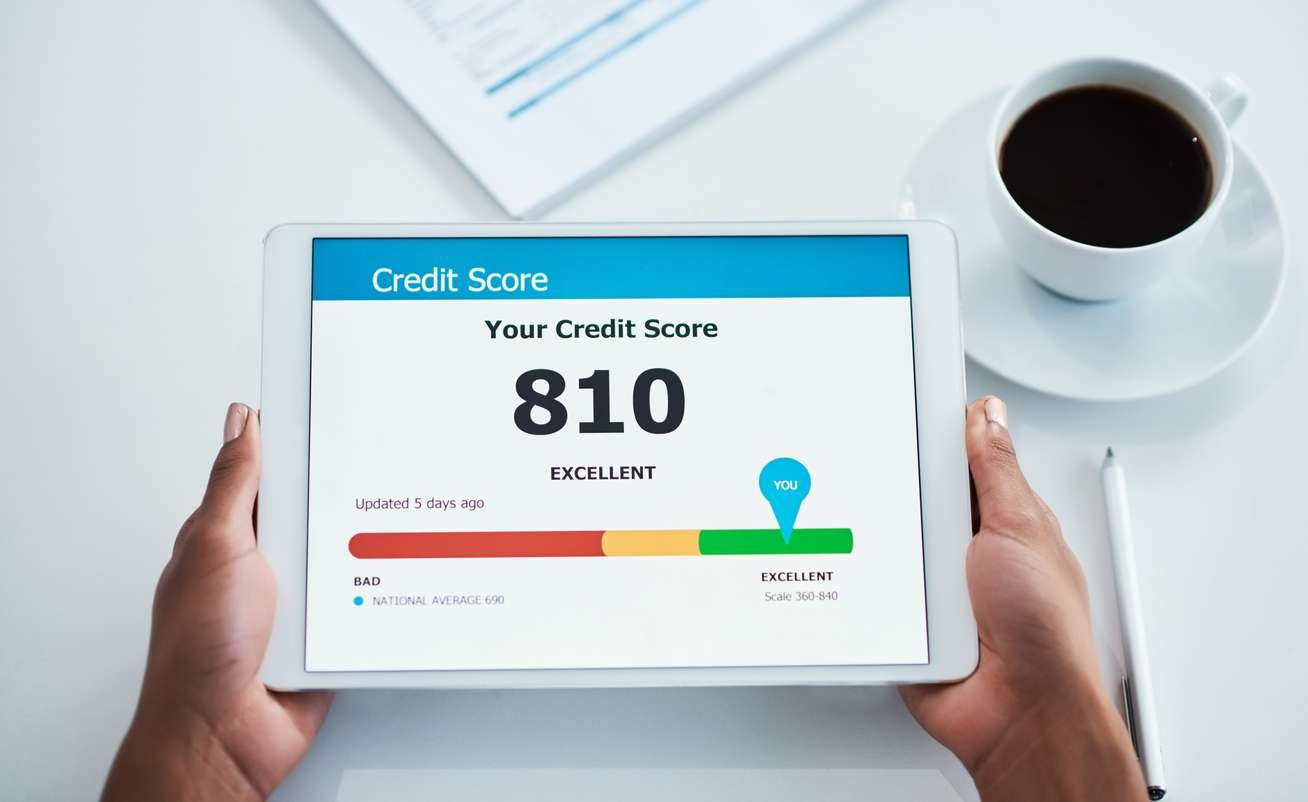
Businesswoman holding a digital tablet showing her credit score

What Age Do You Get a Credit Score?

You do not have a credit score until you start using credit. In the UK, you can only take out credit from 18, so most people get their first credit file at 18. Before that, there is nothing to score. Being on the electoral roll from 18 helps lenders confirm who you are, and that alone can improve your file.

How to Build a Credit Score From Zero — The Steps That Work

  1. Register to vote. Get on the electoral roll as soon as you turn 18. Lenders use it to verify your identity and address.
  2. Open a bank account and use it well. A current account in your name, used regularly, with no missed payments, builds your financial footprint. See our guide to the best bank accounts for 16 year olds.
  3. Get a credit-builder card. These are cards designed for people with no credit history. Use it for small purchases, pay it off in full every month, and never miss a payment. That payment history is what builds your score.
  4. Pay every bill on time. Phone contracts, buy-now-pay-later, any credit agreement — a single missed payment can stay on your file for six years.
  5. Keep your credit use low. Using a small part of your available credit looks better than maxing a card out.
  6. Do not apply for lots of credit at once. Every application leaves a search on your file. Space applications out.
  7. Check your credit report for free. Experian and ClearScore both offer free credit reports. Check yours, and correct any mistakes.

Credit cards

How Long Does It Take to Build a Credit Score?

Most people see a usable score within 6 to 12 months of using credit responsibly. A strong score takes longer — years of on-time payments. There is no shortcut, and anyone selling one is selling a lie.

ADVERTISEMENTMYSOUND SPONSORED ADS
🔥 MYSOUND GLOBAL SPOTLIGHT
Monetize your tracks, access AI tools, and earn MSC streaming rewards directly.
START FOR FREE

Mistakes That Keep Young People at Zero

  • Never using any credit at all — no history means no score.
  • Missing a payment, even a small one.
  • Applying for five cards in a month.
  • Using a parent’s card and thinking it counts (it does not — it is their file, not yours).

Bottom line: build a credit score from zero by registering to vote, using a credit-builder card for small purchases, and paying everything on time, every time. Do that for a year and the doors start opening. For more on my own experience, read how I built a strong credit score in the UK by age 24.

Tools to Help You Start

Credit-builder cards and free credit reports (Experian / ClearScore) can help you start. Affiliate links will be added once programmes are confirmed.


Share Post:

02 — Keep reading

Related Articles

Easy Start-Up Businesses in the UK — 15 Low-Cost Ideas You Can Start This Month

Easy Start-Up Businesses in the UK — 15 Low-Cost Ideas You Can Start This Month

Starting a business sounds expensive. It does not have to be. The easiest start-up businesses in the UK need little more than a skill you already have, a phone, and a few hours a week. What Makes a Business Easy to Start? Low start-up cost (under £100), no qualifications required, and customers you can reach online. 15 Easy Start-Up Businesses in the UK Freelance writing or design — Fiverr/Upwork, £0. Social media management — £200–£500 a month, £0 to start. Cleaning — under £50. Tutoring — £20–£40 an hour, £0. Selling on eBay, Vinted or Depop — £0. Dog walking and pet sitting — £10–£15 per walk, under £20. Content creation — TikTok, YouTube, newsletters, £0. Virtual assistant work — £0. Car valeting — £20–£40 a car, under £50. Handmade products — candles, jewellery, prints on Etsy, £30–£80. Personal training (online) — course fee. Delivery driving — a bike or car you already have. Gardening — under £50. Photography — a phone camera is enough, £0. Online courses or digital products — £0. See also: Low Cost Business Ideas in UK: The Best Cheap & Profitable Small Businesses to Start in 2026. How to Start a Small Business in the UK — The Steps Pick one idea and test it. Get one paying customer before you spend anything. Register as self-employed with HMRC (or form a limited company). Open a separate bank account for the business. Keep records from day one. Tell people. Mistakes That Kill Easy Businesses Spending on a logo or website before you have a customer; trying five ideas at once; undercharging; not keeping records. Bottom line: the easiest start-up business is the one that uses a skill you already have and costs almost nothing to test. Pick one idea, get one paying customer this week, and build from there. Tools to Start Your Business Affiliate links to be added once programmes are live.

Best Tools for Artists in 2026 — Digital, Traditional and Everything In Between

Best Tools for Artists in 2026 — Digital, Traditional and Everything In Between

The right tools will not make you a better artist overnight. But the wrong ones will slow you down, waste your money, and kill your momentum. This guide covers the best tools for artists in 2026 — digital and traditional — so you buy once, buy right, and get back to making work. Best Tools for Digital Artists Drawing tablet — Wacom Intuos is the standard starter tablet; iPad with Apple Pencil is the most popular choice among young artists; Samsung Galaxy Tab with S Pen is the Android alternative. Design software — Adobe Photoshop is still the industry standard for illustration and photo work; Adobe Illustrator for vector art and logos; free: Krita (free drawing programme), Procreate (iPad only, one-off payment). A good monitor — colour accuracy matters more than size. See also our guide to digital artist tools. Best Tools for Traditional Artists Sketchbooks and pencils — a quality sketchbook and graphite pencils (2H to 8B) is the cheapest start. Paints — acrylics are the best first paint; watercolours are portable; oils for when you are ready. Brushes and pens — a small set of round brushes and fineliner pens. Best Free Tools for Artists Krita, GIMP, Canva and Blender — all professional-grade and cost nothing. What Should a Beginner Artist Buy First? A sketchbook and pencils. A drawing tablet (Wacom Intuos or iPad). One piece of software — Procreate or Krita. Nothing else until you have finished twenty pieces of work. Tools to Avoid When You Are Starting Out Expensive professional tablets, full Adobe subscriptions before you know which programme you use, and “complete art sets” with fifty pieces you will never touch. Bottom line: the best tools for artists are the ones you will actually use every day. Start with a sketchbook, add a tablet when you are ready, and spend your money on practice, not gear. Tools and Supplies to Buy Affiliate links to be added once programmes are live.

Discord Is Becoming the New LinkedIn for Young Creatives. Here’s How People Are Actually Getting Hired From Servers

Discord Is Becoming the New LinkedIn for Young Creatives. Here’s How People Are Actually Getting Hired From Servers

Discord vs LinkedIn: where the jobs actually are If you’ve sent fifty LinkedIn applications and heard nothing back, you’re not doing anything wrong. You’re just fishing where everyone else is fishing. The Discord vs LinkedIn debate isn’t about which app is better — it’s about where hiring actually happens now. More and more, the answer is inside private communities: Discord servers, Slack groups and invite-only channels where roles get shared before they ever reach a public job board. The numbers tell the story. A single posting on a major job board can attract 250+ applicants within hours, with a callback rate around 2%. Inside Discord communities, referral-based channels report success rates as high as 67%, with typically only 3–5 candidates per role and positions filled in 1–3 weeks. Industry guides estimate around 80% of job leads now circulate in private communities first. Why Discord works for young creatives Discord started as a gaming platform, but it has become one of the most active spaces for professional communities in tech, design and the creative industries. Servers are free to join, and the real-time voice and text format rewards active participation over passive scrolling. That’s the key difference in the Discord vs LinkedIn contest: on LinkedIn you broadcast a polished profile and hope the algorithm notices. On Discord, people watch you work — your portfolio drops, your feedback on other people’s projects, your answers in help channels. Hiring managers can see your skill in action before they ever read a CV. For designers, illustrators, video editors, marketers and developers, that visibility is gold. Communities run portfolio critique sessions, design reviews and exclusive job channels where employers post roles to members first. What LinkedIn still does better None of this makes LinkedIn useless. It remains the public record of your career — the place recruiters check to verify who you are, where you’ve worked and who recommends you. With over 44 million UK users, it’s still where formal applications, company research and professional credibility live. The smart play in the Discord vs LinkedIn era isn’t choosing one. It’s using Discord to get noticed and LinkedIn to get verified. How to actually get hired from a Discord server Join the right servers. Look for communities in your exact field — design, gaming, marketing, freelance. Niche beats general every time. Show up before you need something. Answer questions, share your work, give feedback. Reputation is the currency. Use the job channels properly. Read the pinned rules, apply fast, and follow up in the thread — roles move in days, not weeks. Keep your LinkedIn ready. When a community contact checks you out, your profile should confirm the story your work tells. Don’t spam. One good contribution beats twenty self-promotion posts. Communities ban fast and remember. The bottom line The Discord vs LinkedIn shift is really a shift from broadcasting to belonging. Young creatives who build a name inside the right communities are skipping the 250-applicant pile entirely. If your LinkedIn applications are going nowhere, the problem might not be your CV — it might be the room you’re standing in. Find your room. Read next: our earlier look at Discord and TikTok becoming the new LinkedIn, plus low-cost business ideas and side hustles if you’d rather build your own thing.

Knife Crime Is Falling. So Why Do Young People Still Feel Unsafe? The Causes Nobody Wants to Fund

Knife Crime Is Falling. So Why Do Young People Still Feel Unsafe? The Causes Nobody Wants to Fund

The good news is real More than 80,000 knives and dangerous weapons have been removed from Britain’s streets since July 2024 — about 100 a day (Home Office, 13 November 2026). Recorded knife crime across England and Wales is down 11% since the General Election, almost 6,000 fewer offences. Knife homicides are at their lowest in 35 years. Hospital admissions after assaults with sharp objects are down 16% — and down 19% among under-25s. Knife-enabled robberies fell 24% across the seven worst-hit police forces. ONS figures agree: knife-enabled crime fell 6% in the year to June 2026 (51,567 to 48,615 offences). So why doesn’t it feel safer? Because the average hides the postcode. In Haringey, knife crime fell nearly 20% in a year — while one ward, Alexandra Park, jumped from 7 offences to 25. And in September, seven under-25s were injured by knives in Haringey alone, the worst month since at least August 2025. Young people don’t live in national averages. They live on one street, one bus route, one school gate. If that street got worse, the national fall means nothing to them. The causes underneath Criminologists keep pointing at the same root: what young people have around them. Local authority spending on youth services fell about 76% in real terms between 2010/11 and 2024/25; more than 1,000 youth centres closed between 2010 and 2023. The Institute for Fiscal Studies found that losing a youth club raised the likelihood of offending by about 14% and cut GCSE performance. At the same time, more than a million 16–24-year-olds are not in education, employment or training, with youth unemployment at a decade high. Dr James Alexander of London Metropolitan University put it plainly this month: “We will only see continued reductions with continued long-term investment in young people.” What is actually working Enforcement plus prevention, together. The £26.25 million Knife Crime Concentrations Fund targets 230+ hotspots with patrols, CCTV and work with at-risk young people. London’s Violence Reduction Unit reached its one millionth Londoner in October — and London’s knife crime fell 12%, double the national rate. Surrender schemes took 3,811 weapons in August alone. The pattern is consistent: where young people get mentors, places to go and routes into work, violence falls faster. The effect that matters most Every statistic above is a person: 409 under-25 hospital admissions in a year is 409 families in A&E waiting rooms. The fall is worth celebrating — and worth protecting. Cuts made this crisis worse over a decade; investment is making it better now. The question for 2027 is whether the money stays. Sources: Home Office figures 13 Nov 2026; ONS year ending June 2026; Met Police ward data via Crouch End News; National Youth Strategy Dec 2025; IFS Nov 2024; ONS/Youth Employment UK May 2026. Read next: Hannah Spencer: the plumber turned MP