Inside Success Magazine

Can You Make Money Clipping Videos? The Truth About Clipping GTA 6 and Shorts

Originally published on Inside Success Magazine

Can You Make Money Clipping Videos? The Truth About Clipping GTA 6 and Shorts
Share Post:

Scroll TikTok for five minutes and someone will tell you clipping made them rich. A screenshot of a payout, a rented Lamborghini, a course for £99. Cut up someone else’s stream, post the clips, get paid per view. Easy money — or so the pitch goes.

So is it real? Yes. Can you make money clipping? Yes. But here is the part the screenshots leave out: most people who try it make almost nothing. The money is real, the maths is brutal, and the difference between the two is strategy. This is the honest version — what clipping pays, who actually made money, why most don’t, and how to be smart about it.

What clipping actually is

Clipping means taking the best 15 to 60 seconds out of a long livestream or video, reframing it for a phone screen, and posting it as a TikTok, Instagram Reel or YouTube Short. You are not the creator. You are the distributor — you find the moment, cut it, caption it and post it on your own accounts.

The money does not come from TikTok or YouTube. Those platforms do not pay for reposts or unedited clips of other people’s videos. The money comes from clipping campaigns: a streamer, brand or agency puts up a budget, sets a rate per 1,000 views, and pays you for the views on clips they approve. The biggest marketplace is Content Rewards on Whop, with more than 700 live campaigns in November 2026. Vyro — from MrBeast’s company — launched in October 2025. The startup Clipping signed more than 20,000 clippers in its first ten months.

What it really pays — the maths

The typical campaign pays about $1 per 1,000 views. Half pay $1 or less. The range runs from $0.10 to $2.50, with the odd outlier far higher. Here is what that means in real money: 10,000 views = $10. 100,000 views = $100. 1,000,000 views = $1,000.

That is before the platform takes its 10% fee, before the campaign’s minimum view count (a clip under it earns nothing — the median minimum is about 4,167 views), and before the cap (the median cap is $300 per clip, so even a monster viral hit stops paying at $300).

And here is the number that matters most: across 708 live campaigns, the average approved clip earned about $7.80. The median campaign had spent about $21 per clipper in it so far. That is the typical outcome. Not the screenshot. The typical outcome.

Gamer holding a controller in a dark room

Who actually made money

It is not all doom. Real people have made real money. Eknoor Singh, 22, from London, told the BBC in October 2026 that he makes at least £10,000 a month from clipping — more than £120,000 a year — from clients who pay by views. He is the headline case, and he is real. N3on’s clippers were paid more than $300,000 in a year by the streamer, according to Whop — but that was spread across many clippers, not one person. Campaign rates at the top end are real too: one MrBeast campaign on Vyro paid $3 per 1,000 views, and MLB paid $1.

But the same BBC report quoted a social media consultant saying the vast majority of clippers make little to nothing.

ADVERTISEMENTMYSOUND SPONSORED ADS
🔥 MYSOUND GLOBAL SPOTLIGHT
Monetize your tracks, access AI tools, and earn MSC streaming rewards directly.
START FOR FREE

And the experiment playing out in public right now tells the same story. A professional video producer documenting her attempt at GTA 6 clipping spent seven hours on a single clip on day two — and earned £0. Day one produced nothing at all, because no AI tool could handle a ten-hour stream. The editing itself took fifteen minutes once she found a way in; the hours went on downloads, glitching files and working around campaign rules. That is the industry in miniature: the clip is quick, everything around it is slow, and the pay only arrives if the views do.

Both things are true at once. A few people make serious money. Most people make pocket money or nothing. The industry runs on that gap — the winners get screenshotted, the losers stay quiet.

Why GTA 6 is the moment — and the trap

GTA 6 came out on 19 November 2026 on PS5 and Xbox Series X|S, and launch day broke streaming records: about 7.9 million people watching at once across Twitch, YouTube and Kick, with Twitch alone passing 3.3 million. Clipping campaigns appeared the same night the game unlocked.

GTA 6 campaigns on Content Rewards were paying between $0.50 and $2.00 per 1,000 views at launch, with caps of $35 to $250 per clip. The window is not just launch week, either — multiplayer is reportedly coming in 2027, and the PC launch is still to come, so the next twelve months are the real opportunity.

But there is a trap most clippers never read about: Rockstar’s policy. Take-Two’s fan-content policy (last updated 10 January 2025) says it generally does not object to fans using its material for non-commercial purposes — and it defines non-commercial as not making money through the footage you post. Posting raw GTA footage and getting paid for it is, on the face of that policy, commercial use. Rockstar has taken strong action against footage it considers unauthorised distribution before. Clipping GTA without understanding that rule is how accounts get struck.

7 strategies that actually work

  1. Join a real campaign, don’t just repost. The campaign is your permission to use the footage and your paycheck. Content Rewards, Vyro, or a streamer’s own Discord channel — read the brief before you clip.
  2. Pick one niche and own it. GTA, football, podcasts, finance — one lane, every day. The algorithm rewards accounts that post the same kind of thing, and so do campaign owners.
  3. Hook in the first two seconds. The clip lives or dies on its opening frame. If the best moment is at the end, move it to the front.
  4. Volume beats perfection. Most clips from a new account get a few hundred views. A few get thousands. Very occasionally one takes off. Clipping pays like a lottery where you get more tickets by working harder. Post every day, on a schedule, across TikTok, Shorts and Reels.
  5. Add your own value. Your voice, a short take, a ranking, a “here’s why this happened” breakdown. Commentary makes the clip yours — and it is also the safest route under Rockstar’s policy.
  6. Sell the skill, not just the views. Many mid-size streamers don’t want to find their own highlights. Offer to cut, caption and schedule their clips for a flat monthly fee. That is steadier money than chasing viral views, and it is how Eknoor-style earners actually get paid.
  7. Read the numbers before you start. Rate per 1,000 views, minimum views before a clip pays, cap per clip, total budget, platform fee. If a campaign hides any of those, skip it. And never pay to join a clipping campaign — the money flows to you, not from you.

The smart verdict

Clipping is real. The money is real. GTA 6 is a genuine window, and the next year — multiplayer, PC launch — is bigger than launch week. But the honest maths is this: at about $1 per 1,000 views, with minimums, caps and budgets that run dry, most clips earn a few dollars and most clippers earn very little. The people making real money are not the ones posting the most clips. They are the ones with a niche, a schedule, their own commentary on top — or the ones selling editing as a service to creators who need it.

So yes, you can make money clipping. Just don’t believe the screenshot. Believe the maths, read the brief, read the policy, and treat it like a skill you are building, not a lottery ticket you bought.

Have you tried clipping — or are you thinking about it? Tell us in the comments what you earned, honestly.
Share Post:

02 — Keep reading

Related Articles

How to Pitch Your Business to Brands and Keep Going After Rejection

How to Pitch Your Business to Brands and Keep Going After Rejection

In September 2026, creator Marilyn Madlion posted a video about the part of pitching nobody talks about. Two weeks earlier, she had pitched 500 furniture brands. In total, she pitched around 1,000. She heard no in every format there is: “No. No, no thank you. Message bounced. Who is this?” Then an email arrived from Pippa Collective, offering her €300 to spend on its website on furniture, bookcases and paintings. And the morning after that, she woke up to what she called one of the biggest offers she has ever received in her life — one she can’t disclose yet. Her story is the whole lesson in one go. Pitching works. But it works on a timeline nobody warns you about, and it costs more than anyone admits. That is as true in London as it is anywhere else. Pitch to find the yes, not to convince everyone Madlion’s philosophy is simple, and it changes everything once you adopt it: “I pitch to find the brands that say yes, not to get every brand to.” Most pitches were never going to land. She puts it as numbers: you miss about 65% of the shots you take, and closer to 75% once you count the people who were never going to reply. That is not failure. That is the maths of pitching. If three out of four brands were never going to say yes, then a no tells you almost nothing about your work. It tells you that brand wasn’t yours. So the job is not to write the perfect pitch that convinces everyone. The job is to pitch enough of the right brands that you find the ones who were always going to say yes — and to keep going until you reach them. Rejection hurts. Stop pretending it doesn’t There is a piece of motivational advice Madlion says we need to retire: brave-face it, repeat “rejection is not a reflection of your worth”, and move on. Her version is more honest. Rejection hurts, in any capacity. You’re allowed to feel it. Months into her pitching, she was on a call with a friend who was commending her for reaching out to so many brands — and she was fighting back tears. “When the world was calling me audacious, but I was feeling worthless,” she said. That is what pitching actually feels like from the inside, and if you have felt it, you are not doing it wrong. You are doing it. Feel it. Then pitch again. The two are not opposites. Set up before you pitch Volume only works if the pitch itself is ready. Before you send anything, get four things in place. One clear sentence about what you offer. What you make or do, and what the brand gets. If you can’t say it in one sentence, the brand won’t work it out for you. Proof. Photos, a portfolio, a story. Madlion was pitching brands to help create what she calls the Storyteller’s home — a real project with real pictures, not an idea on a page. Show the work, don’t just describe it. The right person. She used a tool (OnBento) to find brand emails and to send and track every email. The reel is a paid partnership with OnBento, but the principle stands whatever tool you use: pitch a person, not a generic inbox. “Hello team” goes nowhere. A way to track everything. She sent and tracked every email. If you don’t track, you don’t know who to follow up, who opened it, or who never saw it. A simple spreadsheet or notebook does the job: brand, person, date sent, reply, follow-up date. The routine that turns no into yes Madlion pitched everybody from IKEA to Temu to Target — big names — but also hundreds of smaller furniture brands. That combination is the point: aim high, but don’t only aim high. The yes is more likely to come from a brand your size, or a brand just ahead of you, than from the biggest name on your list. Then do it as a routine, not a single heroic night. Her Saturday-night pitching session happened months before the yes landed. That is normal. A pitch sent in January can turn into a deal in April, because the person who needed you in April wasn’t hiring in January. Three habits make the routine work: Pitch every week, not in bursts. Ten a week for ten weeks beats a hundred in one weekend, because you learn from the replies as you go. Follow up once. One polite follow-up a week later. No reply to the follow-up means move on — don’t chase. Treat every no as data. Wrong brand, wrong person, wrong timing, wrong offer. Change one thing and pitch the next one. Pitching in the UK If you are starting in the UK, begin with the brands you already buy from — you know their products, and that shows in the pitch. Find the marketing or PR contact on their website, on LinkedIn or on Instagram. Keep the email short: who you are, what you make, one photo, one link, one ask. Then follow up once after a week. Meet people where business happens, too: markets, trade fairs and networking events in your city, and the small business owners in your own area. Whether you are pitching a fashion label, a furniture maker or a food brand, a short in-person introduction plus a follow-up email beats a cold email on its own. And do the boring setup before the yes arrives. Register properly — as a sole trader or a limited company at Companies House — and keep records of what you spend and earn. The unglamorous admin is what lets you take the yes when it comes, invoice for it, and do it again. The yes you need is one yes Madlion closes the video with the line that sums the whole thing up: “Courage is not the absence of fear and perseverance is…

AJ Odudu Called ‘Aggressive’ on I’m a Celebrity — and Why Black Women Hear It at Work Too

AJ Odudu Called ‘Aggressive’ on I’m a Celebrity — and Why Black Women Hear It at Work Too

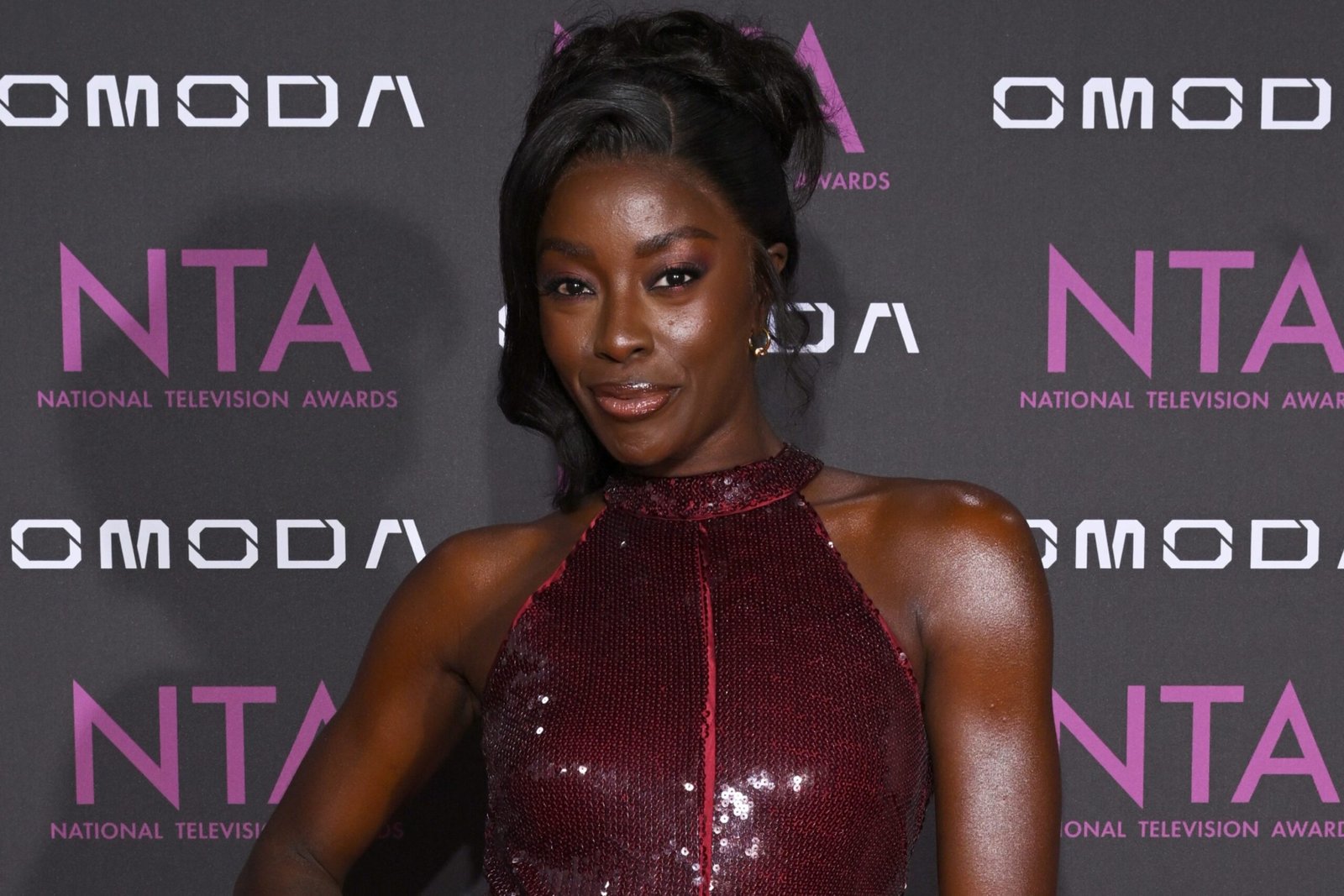
It started over cooking. By the end of the week, 887 people had complained to the media regulator, the country was arguing about a single word, and a presenter had said out loud what millions of Black women already knew from their own working lives. On Sunday’s episode of ITV’s I’m A Celebrity… Get Me Out Of Here!, AJ Odudu offered to help her campmate Mariella Frostrup with the cooking. Tensions rose. The next morning, Frostrup said Odudu’s reaction to the situation had been “aggressive”. Odudu was upset. She cried. And she said the word was harsh — a strong word to use in casual scenarios, particularly towards Black women. By Tuesday, Frostrup had apologised. Ofcom had 887 complaints about alleged bullying behaviour. And a conversation that Black women have in private every week was suddenly happening on national television. What happened in the camp The exchange, as reported by BBC News and shown in clips shared across Instagram, went like this. During a disagreement over camp cooking duties, Frostrup told Odudu she was “making a drama out of a crisis” and called her “aggressive” and “dramatic”. Odudu pushed back and asked her not to use those words. Wayne Rooney stepped in, noting the tension. Odudu became visibly upset and was comforted by campmate Sharky, saying: “I know I’ve not been aggressive. I think that’s a really insane word to use to describe me.” Frostrup later hugged Odudu and offered what viewers described as a conditional apology — “if it upset you, I’m sorry” — which Odudu accepted while repeating: please don’t call me aggressive. ITV said its production team monitors the camp 24 hours a day and would intervene and speak to those involved if someone overstepped the line, and that it takes celebrities’ welfare very seriously. An Ofcom spokesperson told BBC News: “We are assessing the complaints against our rules, but are yet to decide whether or not to investigate.” Why one word caused 887 complaints “Aggressive” is not just an adjective. For Black women, it carries a history. It is the word that turns a calm disagreement into a character judgement, and it sits at the centre of the “angry Black woman” stereotype — the idea that a Black woman expressing any strong feeling, even frustration, is hostile rather than human. That is why Odudu’s objection mattered. She was not arguing about cooking. She was naming what the word does when it is aimed at her. As she put it on the show, it is a strong word to use in casual scenarios, particularly towards Black women. Research backs up why the label stings beyond the moment. A 2022 study by Motro and colleagues, cited in workplace guidance shared after the incident, linked this kind of labelling to worse performance reviews. The word does not just hurt feelings. It follows people into appraisals, promotions and pay. The reaction online showed how split the country is on this. Thousands backed Odudu and shared their own stories. Others dismissed the row entirely — “sticks and stones”, “hundreds out of 60 million?”, “she said sorry, who cares”. That split is part of the story. The people who have lived it recognise it instantly. The people who have not often cannot see it at all. The same word at work Take the cameras away and the same scene plays out in offices, shops and boardrooms across the UK. A Black woman raises her voice in a meeting and is called aggressive. A white colleague does the same and is called passionate. A Black woman asks a direct question and is told she is intimidating. A white colleague asks the same question and is told she shows leadership. Microaggressions are the small, everyday comments that send hostile messages about race, often without the person saying them even realising it. The term comes from research by Sue and colleagues (2007), and the examples are familiar to anyone who has heard them: “You’re so articulate” — as if being well-spoken were a surprise. “Where are you really from?” — as if belonging here needed explaining. “Aggressive” or “intimidating” — for behaviour that would be called confident in someone else. A name mispronounced again and again, as if learning it were too much effort. The cost is not just discomfort. Black women describe policing their own tone before they speak — softening language, smiling through frustration, apologising for reactions they did not need to apologise for — because they know any flash of feeling can be used against them. Broadcaster Judi Love, speaking about the I’m a Celebrity row, made exactly this point: Odudu stayed patient and even apologised unnecessarily, because she understood that any retaliation would trigger the stereotype and bring labels and scrutiny down on her. That is the tax. It is paid in energy, in swallowed words, and in careers that move slower than they should. How Black women overcome it None of this is new, and Black women have built ways through it — not by accepting it, but by refusing to carry it alone. Name it calmly, in the moment. Odudu did this on camera: please don’t use that word. Naming the behaviour takes it out of the realm of “just a feeling” and puts it on the record. Asking a simple question — “what exactly was aggressive about what I just said?” — forces the label to meet the evidence. Document it. Keep a note of what was said, when, and who was there. A pattern written down is much harder to dismiss than a memory argued over later. It also matters if a complaint ever needs to go further, because race discrimination at work is unlawful under the Equality Act 2010. Find allies. The I’m a Celebrity row moved because other people spoke up — campmates, celebrities and thousands of viewers. At work, the same principle holds: a colleague who says “that wasn’t aggressive, that was a fair point” changes the room. Managers have a job here…

Easy Start-Up Businesses in the UK — 15 Low-Cost Ideas You Can Start This Month

Easy Start-Up Businesses in the UK — 15 Low-Cost Ideas You Can Start This Month

Starting a business sounds expensive. It does not have to be. The easiest start-up businesses in the UK need little more than a skill you already have, a phone, and a few hours a week. What Makes a Business Easy to Start? Low start-up cost (under £100), no qualifications required, and customers you can reach online. 15 Easy Start-Up Businesses in the UK Freelance writing or design — Fiverr/Upwork, £0. Social media management — £200–£500 a month, £0 to start. Cleaning — under £50. Tutoring — £20–£40 an hour, £0. Selling on eBay, Vinted or Depop — £0. Dog walking and pet sitting — £10–£15 per walk, under £20. Content creation — TikTok, YouTube, newsletters, £0. Virtual assistant work — £0. Car valeting — £20–£40 a car, under £50. Handmade products — candles, jewellery, prints on Etsy, £30–£80. Personal training (online) — course fee. Delivery driving — a bike or car you already have. Gardening — under £50. Photography — a phone camera is enough, £0. Online courses or digital products — £0. See also: Low Cost Business Ideas in UK: The Best Cheap & Profitable Small Businesses to Start in 2026. How to Start a Small Business in the UK — The Steps Pick one idea and test it. Get one paying customer before you spend anything. Register as self-employed with HMRC (or form a limited company). Open a separate bank account for the business. Keep records from day one. Tell people. Mistakes That Kill Easy Businesses Spending on a logo or website before you have a customer; trying five ideas at once; undercharging; not keeping records. Bottom line: the easiest start-up business is the one that uses a skill you already have and costs almost nothing to test. Pick one idea, get one paying customer this week, and build from there. Tools to Start Your Business Affiliate links to be added once programmes are live.

Best Tools for Artists in 2026 — Digital, Traditional and Everything In Between

Best Tools for Artists in 2026 — Digital, Traditional and Everything In Between

The right tools will not make you a better artist overnight. But the wrong ones will slow you down, waste your money, and kill your momentum. This guide covers the best tools for artists in 2026 — digital and traditional — so you buy once, buy right, and get back to making work. Best Tools for Digital Artists Drawing tablet — Wacom Intuos is the standard starter tablet; iPad with Apple Pencil is the most popular choice among young artists; Samsung Galaxy Tab with S Pen is the Android alternative. Design software — Adobe Photoshop is still the industry standard for illustration and photo work; Adobe Illustrator for vector art and logos; free: Krita (free drawing programme), Procreate (iPad only, one-off payment). A good monitor — colour accuracy matters more than size. See also our guide to digital artist tools. Best Tools for Traditional Artists Sketchbooks and pencils — a quality sketchbook and graphite pencils (2H to 8B) is the cheapest start. Paints — acrylics are the best first paint; watercolours are portable; oils for when you are ready. Brushes and pens — a small set of round brushes and fineliner pens. Best Free Tools for Artists Krita, GIMP, Canva and Blender — all professional-grade and cost nothing. What Should a Beginner Artist Buy First? A sketchbook and pencils. A drawing tablet (Wacom Intuos or iPad). One piece of software — Procreate or Krita. Nothing else until you have finished twenty pieces of work. Tools to Avoid When You Are Starting Out Expensive professional tablets, full Adobe subscriptions before you know which programme you use, and “complete art sets” with fifty pieces you will never touch. Bottom line: the best tools for artists are the ones you will actually use every day. Start with a sketchbook, add a tablet when you are ready, and spend your money on practice, not gear. Tools and Supplies to Buy Affiliate links to be added once programmes are live.

Can You Make Money Clipping Videos? The Truth About Clipping GTA 6 and Shorts | MySound