Safeguarding: What It Means, Why It Matters and How to Protect People

Safeguarding is the practical commitment to protect people from abuse, neglect, exploitation and avoidable harm. It is especially important for children, adults at risk, older people, disabled people, and anyone whose circumstances make them more vulnerable. At its heart, safeguarding protects safety, dignity and wellbeing, helping people live with respect, choice and security.
Understanding safeguarding: what it means and why it matters is not only for professionals. It matters in families, workplaces, schools, faith groups, sports clubs, care settings, online spaces and neighbourhoods. When individuals, organisations and communities know the safeguarding essentials, they are better able to prevent harm, notice concerns early and respond in a way that protects people rather than ignores risk.

What does safeguarding mean?
Safeguarding means taking action to prevent and respond to abuse, neglect, exploitation and harm, while promoting a person’s safety, dignity, rights and wellbeing. It is not limited to reacting after something has gone wrong. Good safeguarding creates safer environments, encourages people to speak up, and makes sure concerns are taken seriously.
The term is often used in relation to vulnerable people, but vulnerability can be temporary as well as long term. Someone may be at increased risk because of age, illness, disability, isolation, coercive control, poverty, trauma, dependency on others, communication needs or a lack of power in a particular situation. Safeguarding recognises that these circumstances can make it harder for a person to protect themselves or ask for help.
The safeguarding significance lies in its balance of protection and respect. It is not about taking control away from people or treating them as helpless. It is about reducing risk while upholding choice, privacy, independence and dignity wherever possible.
The importance of protection in everyday life
The importance of protection becomes clear when we think about how harm can appear in ordinary settings. Abuse is not always obvious, dramatic or physical. It may involve pressure, threats, humiliation, financial control, sexual exploitation, discriminatory behaviour, emotional manipulation, unsafe care, online grooming or persistent neglect.
Safeguarding helps people recognise that harm can be caused by individuals, systems or environments. A person may be harmed by a family member, carer, professional, peer, stranger or institution. They may also be placed at risk by poor procedures, weak supervision, unsafe recruitment, lack of training, isolation or a culture where concerns are dismissed.
This is why safeguarding is more than a policy document. It is a mindset and a set of everyday habits. It asks: Are people safe? Are they being heard? Do they have access to support? Are there warning signs we are ignoring? Are our actions protecting dignity as well as physical safety?
Why is safeguarding everyone’s responsibility?
Safeguarding is everyone’s responsibility because harm often continues when people assume that someone else will deal with it. Individuals may be the first to notice a change in behaviour, a worrying interaction, an injury, a disclosure, or signs that someone is frightened, controlled or neglected. Organisations then need clear systems to respond, and communities need a culture that does not tolerate abuse or exploitation.
This shared responsibility does not mean everyone has the same role. A neighbour, volunteer, colleague, manager, teacher, parent or healthcare worker will each act differently depending on their position. However, everyone can learn the warning signs, listen without judgement, report concerns appropriately and avoid actions that put vulnerable people at further risk.
A strong safeguarding culture also protects the person raising a concern. People are more likely to speak up when they know where to go, what will happen next and that they will be treated seriously. Silence, confusion and fear allow harm to continue; clarity and courage help prevent it.
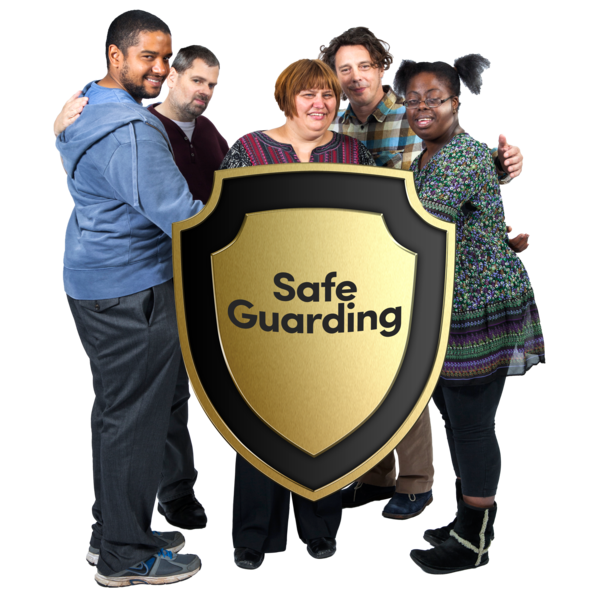
Recognising signs of abuse, neglect, exploitation and harm
Safeguarding starts with awareness. Not every concern will mean abuse has occurred, but patterns and changes should never be ignored. A person may not be able or willing to explain what is happening, particularly if they are afraid, dependent on the person causing harm, or worried they will not be believed.
Possible indicators include:
- Physical signs, such as unexplained injuries, frequent accidents, poor hygiene, untreated medical needs or inappropriate clothing for the weather.
- Emotional signs, including withdrawal, fearfulness, sudden anxiety, low mood, aggression, loss of confidence or extreme compliance.
- Behavioural changes, such as avoiding certain people, missing school or appointments, becoming secretive, or changes in eating and sleeping.
- Financial concerns, including missing money, unpaid bills, sudden changes to bank access, pressure to hand over funds or unexplained possessions disappearing.
- Online risks, such as secretive digital contact, coercive messaging, sharing of private images, grooming, bullying or pressure from unknown people.
- Environmental concerns, including unsafe living conditions, lack of food, isolation, unsuitable care arrangements or people being left without essential support.
The key is not to investigate on your own. If something feels wrong, record what you have noticed, listen carefully if someone speaks to you, and follow the appropriate reporting route.
Safeguarding essentials for individuals
Individuals play a vital role in prevention because daily behaviour shapes whether people feel safe enough to ask for help. You do not need to be an expert to make a difference. You need to be alert, respectful and willing to act.
Practical steps include:
- Learn the basics. Understand what abuse, neglect, exploitation and harm can look like, including less visible forms such as coercion, emotional abuse and financial abuse.
- Listen properly. If someone shares a concern, stay calm, take them seriously and avoid blaming language. Do not promise secrecy if they may be at risk.
- Respect dignity. Speak to people directly where possible, involve them in decisions, protect their privacy and avoid making assumptions about their abilities or wishes.
- Notice power imbalances. Be aware when someone depends on another person for money, care, housing, immigration support, transport or access to information.
- Challenge unsafe behaviour. If it is safe to do so, question jokes, comments, bullying, boundary-crossing or practices that normalise harm.
- Report concerns. Use the appropriate route, such as a safeguarding lead, manager, local authority service, emergency service or relevant support organisation.
Prevention also includes looking after your own boundaries. Good intentions can still create risk if people ignore consent, share private information carelessly or try to handle serious concerns alone.
How can organisations build safer environments?
Organisations build safer environments by making safeguarding visible, practical and embedded in everyday work. Policies matter, but they only protect people when staff, volunteers and leaders understand them, use them and review them regularly.
A safer organisation begins with clear accountability. People should know who the safeguarding lead is, how to raise a concern, what information to record and when to escalate a risk. Training should be appropriate to each role, not treated as a one-off tick-box exercise.
Recruitment and supervision are also central. Organisations that work with children, adults at risk or the public should use suitable checks, references, induction, codes of conduct and ongoing support. Staff and volunteers need to know what safe professional boundaries look like, including in digital communication.

Strong safeguarding practice usually includes:
- a clear safeguarding policy written in plain language;
- named safeguarding contacts and reporting routes;
- safe recruitment and vetting procedures where relevant;
- regular training and refreshers;
- confidential and accurate record keeping;
- risk assessments for activities, venues and online spaces;
- procedures for responding to allegations or disclosures;
- leadership that encourages concerns to be raised early.
The most effective organisations do not wait for a crisis to test their systems. They review incidents, learn from near misses and ask whether people using their services feel respected, listened to and safe.
Communities create the conditions for safety
Communities have a powerful role in preventing harm because isolation is often a risk factor. When people are cut off from support, they may be easier to control, exploit or neglect. Connected communities make it harder for abuse to stay hidden.
This does not mean neighbours or community members should intrude into private lives. It means creating spaces where people are noticed, included and able to seek help without shame. Local groups, clubs, faith communities, libraries, sports settings, schools and informal networks can all promote safeguarding by sharing information and modelling respectful behaviour.
Community prevention may include:
- making activities accessible to people with different communication, mobility or support needs;
- signposting to trusted help and reporting routes;
- challenging stigma around age, disability, poverty, mental health or abuse;
- supporting carers as well as those receiving care;
- promoting online safety for children, young people and adults at risk;
- encouraging people to check in with those who may be isolated.
The safeguarding significance of community action is simple: people are safer when they are visible, valued and connected.
Responding well when a concern is raised
A good response can reduce further harm. A poor response can silence someone, increase danger or damage trust. If a person tells you they are being harmed, the priority is to listen, reassure them that they have done the right thing by speaking up, and take appropriate action.
Avoid pressing for detailed evidence or asking leading questions. Your role is not to prove what happened. Record the person’s words as accurately as possible, note dates and observations, and pass the concern to the correct safeguarding contact or authority. If there is immediate danger, contact emergency services.
Confidentiality matters, but it is not absolute. Information should be shared only with those who need to know in order to protect the person or others at risk. Where possible, involve the person in decisions and explain what will happen next.
Safeguarding is a commitment, not a checklist
Safeguarding essentials are useful, but safeguarding itself is a continuing commitment. It requires curiosity, humility and the courage to act when something does not feel right. It also requires respect for the people being protected, because safety without dignity is not enough.
The importance of protection is seen in the small decisions people make every day: listening instead of dismissing, reporting instead of assuming, reviewing systems instead of defending them, and including vulnerable people rather than speaking over them.
If you are part of a family, workplace, school, club, service or community group, take one practical step today. Learn your safeguarding reporting route, review your policy, refresh your training, or start a conversation about how people can raise concerns safely. Safeguarding works best when everyone understands their role and chooses to act before harm is allowed to continue.